


Nobody plans for the morning the hot water gives up. One day it is slow to heat, leaking, or making odd noises, and the next you are trying to work out the hot water system replacement cost while juggling school runs, work, and a cold shower.
For most homeowners across the Gold Coast, Southern Brisbane and Tweed Heads, the real question is not just what a new system costs. It is what you are actually paying for, what can push the price up, and how to make sure the replacement is done safely and without a mess of hidden extras.
What is the average hot water system replacement cost?
The short answer is that it depends on the type of system, the size of the home, and how straightforward the installation is.
In many Australian homes, a like-for-like replacement can start from around $1,500 to $2,500 for a basic electric storage system supplied and installed. Petrol storage and continuous flow systems often sit higher, commonly from around $1,800 to $3,500 or more. Heat pump and solar hot water replacements can cost significantly more again, often running from $3,000 to $8,000 plus depending on the brand, capacity and site conditions.
That is a wide range, and there is a reason for it. The unit itself is only one part of the job. Labour, compliance work, valves, pipework changes, electrical or petrol upgrades, safe removal of the old unit, and access to the site all affect the final figure.
If you are comparing quotes, make sure you are comparing the full job, not just the tank price.
What affects hot water system replacement cost?
The biggest cost factor is the type of system going in. Replacing an electric storage unit with another electric storage unit is usually the most straightforward option. Switching from electric to petrol, or from storage to instantaneous, can mean extra plumbing, petrol fitting, electrical work or flue requirements.
System size matters too. A smaller household may only need a compact system, while a family home with multiple bathrooms usually needs a larger tank or a higher-capacity continuous flow unit. Bigger systems cost more to buy, and sometimes more to install.
Brand and efficiency also come into play. Entry-level units are cheaper upfront, but they may not offer the same warranty, efficiency or recovery rate as premium models. A cheaper unit can save money on day one, but not always over the life of the system.
Then there is the condition of the existing setup. If the old system has non-compliant valves, corroded pipework, poor drainage, an unsuitable base, or ageing connections, those issues have to be addressed during replacement. That is not upselling. It is part of doing the job properly and safely.
Installation complexity can change the price quickly
A ground-level replacement with easy access is one thing. A unit tucked into a tight side passage, mounted on a wall, or located on an upper level is another.
If the installer needs to reroute pipework, upgrade tempering valves, improve drainage, or organise electrical isolation and reconnection, labour time goes up. In some homes, the old system may also be oversized, undersized, or simply in the wrong spot for the way the household now uses hot water.
That is why a fixed quote matters. It gives you a clearer picture before work starts, rather than discovering extra charges halfway through.
Replacement cost by system type
If you want a practical way to think about pricing, start with the system category.
Electric storage systems
These are common in older homes and units. They are often the lowest-cost replacement option when installed like for like. Purchase and installation costs are usually more manageable, but running costs can be higher over time, especially for larger households.
They can still be a sensible choice where upfront budget matters most or where the home is not set up for petrol.
Petrol storage systems
Petrol storage systems can suit homes that already have a compatible petrol setup and need dependable hot water for family use. Replacement cost is often higher than electric storage, but running costs may be lower depending on usage patterns and energy prices.
The final price depends on whether the petrol connection, ventilation and location are already suitable.
Continuous flow petrol systems
These systems heat water on demand, which means no large storage tank and potentially better efficiency for many households. They are popular where space is tight or where households want a more modern setup.
Replacement can be cost-effective if you are swapping an older instantaneous unit for a new one in the same location. If you are converting from storage, though, the install can become more involved.
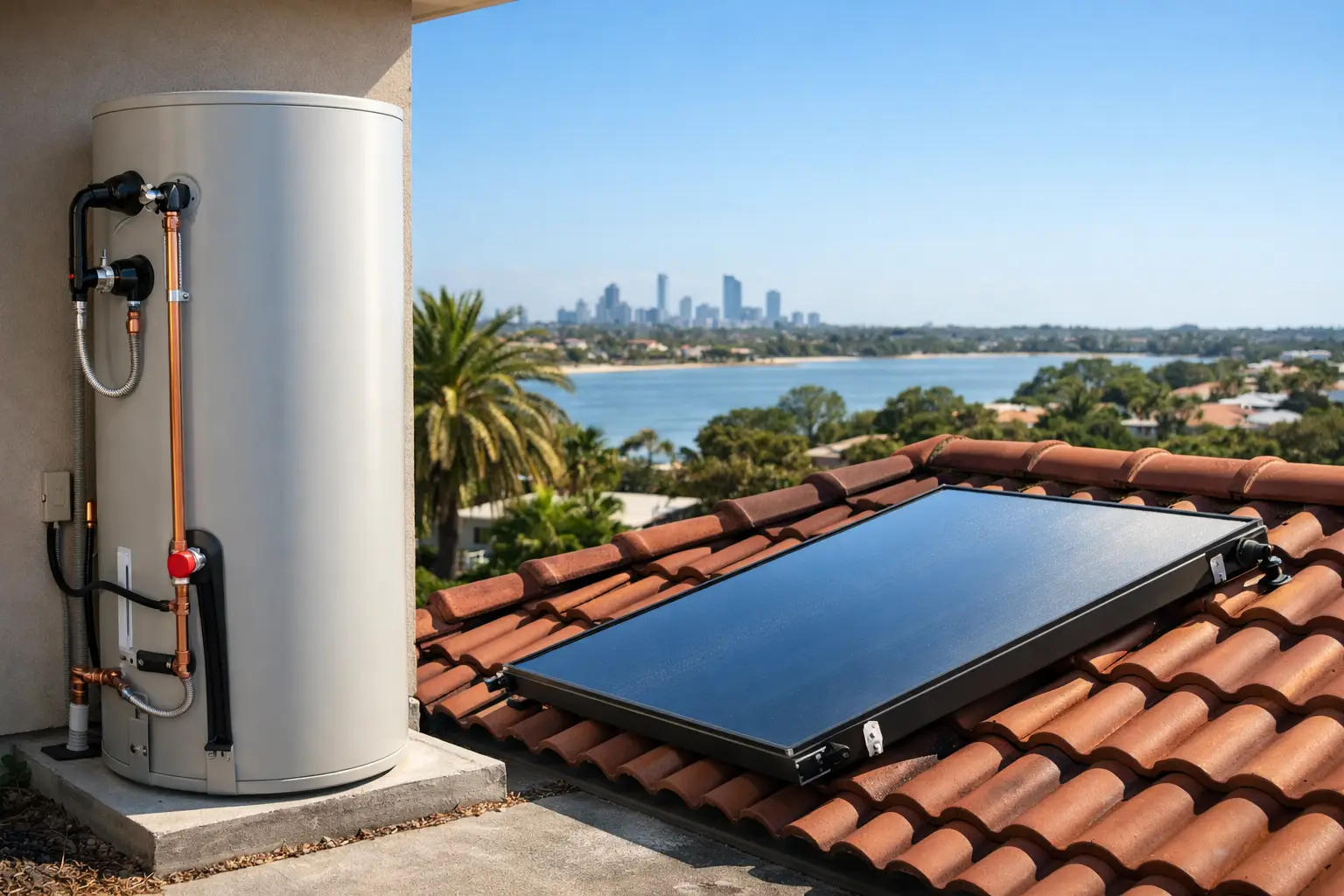
Heat pump and solar systems
These usually come with the highest upfront replacement cost, but they can deliver long-term savings through improved efficiency. They are often worth considering for households planning to stay in the home for years, especially where energy bills are a concern.
The trade-off is simple. You pay more at the start, and you may need more space or a suitable location, but the running costs can be far kinder over time.
Hidden costs homeowners should watch for
The phrase nobody wants to hear is, that is not included. When you are replacing a failed hot water service, the last thing you need is a quote that looks fine until the tradie arrives.
A proper replacement quote should account for removal and disposal of the old unit, standard installation labour, required valves and fittings, and any clearly identified compliance work. If the quote is vague, ask what is excluded.
Common extras that can catch people out include switchboard upgrades, new petrol regulators, concrete slabs or brackets, drainage work, pipe relocation, and after-hours callout pricing. Not every job needs these, but if they are likely, they should be discussed upfront.
This is where dealing with one reliable provider helps. You are not trying to coordinate separate plumbers, petrol fitters and electricians while your household waits for hot water to come back.
Should you repair or replace?
Sometimes replacement is the obvious answer. If the tank is leaking, badly rusted, or well past its expected lifespan, repair money can be wasted money.
If the fault is limited to a thermostat, element, igniter or valve, repair may still be worthwhile, especially on a newer system. But once a unit is ageing and parts start adding up, replacement often becomes the smarter financial call.
A useful rule of thumb is this: if the system is older, unreliable, and expensive to run, replacing it can save stress as much as it saves money. Hot water is not something most households want to gamble on.
How to keep replacement costs under control
The cheapest quote is not always the cheapest outcome. A low upfront price can turn expensive fast if the system is undersized, poorly installed, or missing essential compliance work.
The better approach is to choose the right system for your household and get a clear fixed quote before booking. Think about how many people live in the home, how many bathrooms are in use, and whether morning demand is heavy. A system that matches your usage is less likely to struggle, wear out early, or leave someone with a cold shower.
It is also worth asking about turnaround times. If your hot water has failed completely, speed matters. Waiting a week for a replacement can be more disruptive than paying a fair price for a next-working-day install done properly.
For local homeowners, that combination of transparent pricing, licensed installation and fast service is often what makes the biggest difference. No Hassle Homes is built around exactly that – helping households get essential systems sorted quickly, safely and without the usual run-around.
Questions to ask before you book
Before approving a quote, ask whether the price includes supply, installation, removal of the old unit, and any standard compliance items. Confirm the model, warranty, and whether the system is sized for your household.
It is also smart to ask how long the job should take and whether there are any likely site-specific extras. A good provider will explain this in plain language, not bury it in fine print.
If a quote seems unusually cheap, ask why. Sometimes the answer is perfectly reasonable. Sometimes it means important parts of the job have been left out.
When paying more makes sense
There are times when spending a bit more upfront is the practical option. A better-quality unit can offer stronger reliability, better efficiency and a longer warranty. For a busy family home, that can be worth every dollar.
The same goes for choosing a system that better suits the way you live now, rather than copying what was installed ten or fifteen years ago. Households change. Water usage changes. Energy costs change. The best replacement is not always the exact same model in the exact same spot.
If your current system is failing, focus on value rather than just the sticker price. A fair quote, a licensed install, and a system that actually suits your home will usually save more hassle than shaving a few hundred dollars off the job.
Hot water problems never arrive at a convenient time, but the decision does not need to feel complicated. The right replacement should be clear, safe, fairly priced and sorted without fuss, so you can get back to normal and stop thinking about your hot water system altogether.