


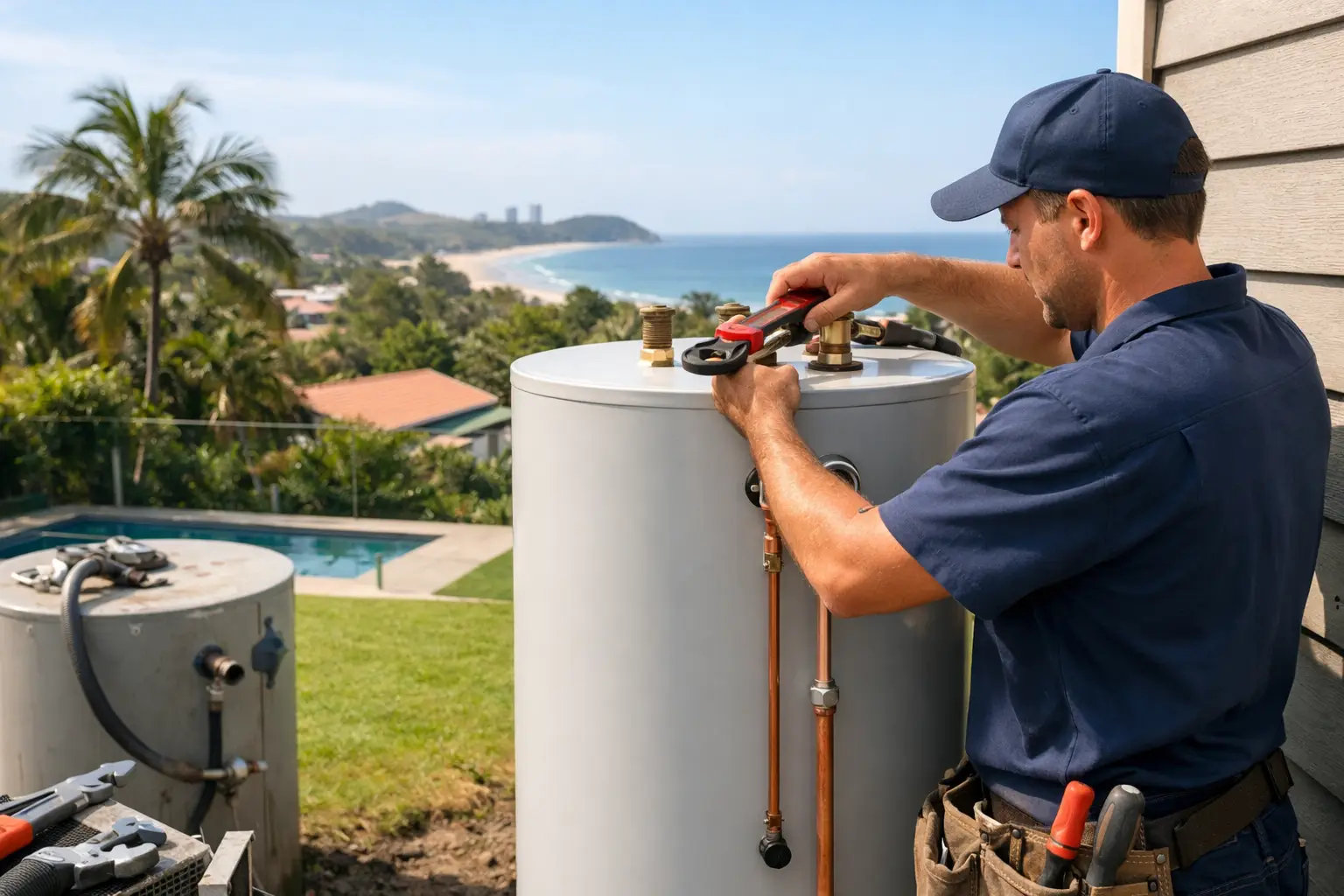
Hot water usually fails at the worst possible time – early showers, dinner clean-up, or just as guests arrive. If you’re searching for how to replace hot water, you probably do not want a long technical lesson. You want to know what needs doing, what it might cost, and how to get it sorted without chasing three different tradies.
The good news is that replacing a hot water system is usually straightforward when the right installer handles it. The catch is that not every replacement is as simple as swapping one tank for another. Your fuel type, household size, existing pipework, electrical setup and property layout all affect the best option.
How to replace hot water without making the wrong call
The first step is working out whether you need a like-for-like replacement or a full changeover. If your current system has failed and it suited your household well, replacing it with the same type and a similar size is often the fastest path. That can mean less work, lower installation costs and fewer surprises on the day.
If your old unit never quite kept up, or your energy bills have been climbing, this is the time to look at better options. Some households are better off moving from storage to continuous flow. Others may want to switch from electric to petrol, especially if they already use petrol at home and want faster recovery and lower running costs. But this depends on your property and what infrastructure is already in place.
This is where homeowners can lose time and money. A cheap unit that is wrong for the home is not a bargain. Oversizing can mean paying more upfront than you need to. Undersizing can leave you with lukewarm showers and a system that works too hard.
Know why your current system failed
Before replacing anything, it helps to understand what happened. A system that is leaking from the tank itself is usually at the end of its life. If the water is rusty, inconsistent, or there is no hot water at all, the problem might still be repairable depending on the age and type of unit.
That said, there is a point where repair stops making sense. If the system is older, parts are failing one after another, or the tank has corroded, replacement is often the smarter move. Paying for repeated call-outs on an ageing unit can cost more than putting that money into a new, reliable setup.
A licensed technician should always confirm whether repair or replacement is the better option. With hot water, petrol, plumbing and electrical work can all come into play, so you want someone who can assess the whole picture rather than guess from a photo.
Choosing the right replacement system
There is no single best hot water system for every home. The right one depends on how many people live there, when hot water is used most, what services are already connected, and how quickly you need the replacement done.
Electric storage
Electric storage systems are common and familiar. They can be a practical replacement if your home already has one and you want a simple swap. The upside is straightforward installation in many cases. The downside is that running costs can be higher, and once the stored hot water is used up, you may need to wait for reheating.
Petrol storage
Petrol storage can suit families that use a fair bit of hot water and want quicker recovery than standard electric storage. If your home already uses petrol, replacement can be efficient and cost-effective. As always, the condition of the existing petrol line and compliance requirements matter.
Continuous flow petrol
Continuous flow systems heat water as you need it, rather than storing it in a tank. They are popular with households that want steady hot water and a compact unit. They can be a great option where space is tight or where a large family is staggering showers across the morning. They are not always the cheapest to install if your current setup is completely different, but they are often worth considering.
Heat pump systems
Heat pumps can reduce running costs and appeal to households focused on efficiency. They are not right for every property, and upfront costs are usually higher. Installation position, noise considerations and available space can all affect suitability.
What affects the cost to replace hot water
Most people asking how to replace hot water are really asking two things – how fast can it happen, and what will it cost me. The honest answer is that price depends on more than the unit itself.
A straightforward replacement in the same location is usually simpler and cheaper than moving to a new system type. Costs can rise if pipework needs altering, valves need upgrading, the slab or wall location is difficult to access, or electrical and petrol compliance work is required. In some homes, the old unit also needs safe removal and disposal, which should be included in a clear quote.
This is why fixed, transparent pricing matters. A quote should reflect the actual job, not just the appliance. If a provider is vague about installation conditions, disposal, fittings or compliance work, that is where hidden extras tend to appear.
The installation process in plain English
For most homes, replacing hot water starts with confirming the right system and checking site conditions. The installer then isolates the old unit, disconnects services safely, removes the system, and prepares the area for the new one.
From there, the new hot water unit is installed and connected. Depending on the type of system, this may involve plumbing, petrol fitting, electrical work or a combination of all three. Once connected, the system needs to be tested properly for safe operation, water temperature, pressure and any compliance requirements.
A professional installer should also explain how the new system works, what maintenance it may need, and what signs to watch for over time. Homeowners should never be left guessing about operation or warranty basics.
When a fast replacement really matters
A failed hot water system is not always an emergency in the same way as a major leak, but it becomes urgent quickly. Families with children, older residents, tenants and busy households usually need a fast turnaround. Waiting several days without hot water is more than inconvenient.
That is why local service matters. A provider covering the Gold Coast, Southern Brisbane and Tweed Heads should understand the common home setups in the area and be equipped to move quickly. When one company can handle petrol, plumbing and related home services together, the whole process becomes easier. You are not left coordinating separate trades or trying to work out who is responsible for what.
Common mistakes homeowners make
One of the biggest mistakes is buying a unit first and asking questions later. What looks fine online may not suit your home, your usage, or local installation requirements. Another common issue is replacing like-for-like out of habit, even when the old setup was never really working for the household.
Some people also put off replacement too long after obvious warning signs. Small leaks, rusty water or fluctuating temperatures can turn into a full breakdown at the worst moment. Planning ahead gives you more choice. Waiting until complete failure usually narrows the options to whatever can be installed fastest.
Then there is the temptation to choose on price alone. Budget matters, of course. But with hot water, the cheapest upfront option is not always the most affordable over the life of the system.
How to make the process easier
The easiest way to replace hot water is to start with a proper assessment, not a guess. A good provider will ask about your current system, number of occupants, peak usage times, fuel source and whether you want the fastest replacement or the best long-term upgrade.
From there, you should get a clear recommendation and a fixed quote that covers supply, installation, removal of the old unit and any known extras. If the job needs licensed petrol fitting or electrical work, that should be built into the plan from the start.
For homeowners who want less run-around, this is where using one dependable local company helps. No Hassle Homes is built around exactly that kind of convenience – practical advice, honest pricing and getting essential household systems sorted without the usual stress.
A better question than how to replace hot water
Sometimes the better question is not just how to replace hot water, but how to replace it in a way that suits your home for the next ten years. The answer might be a simple same-day swap. It might be a smarter system that saves space, improves efficiency or better handles family demand.
Either way, the right replacement should leave you with safe installation, reliable performance and no nasty surprises after the job is done. When hot water goes, speed matters. But getting the right system matters just as much. A quick fix is only helpful if it is also the right one.