


Nothing tests your patience quite like a cold shower at 6 am. When your old unit starts playing up, choosing among the best hot water systems suddenly goes from a future job to something you need sorted fast.
The tricky part is that there is no single winner for every home. The right system depends on how many people live there, when you use hot water, what energy source is available, how much space you have, and whether you want the lowest upfront cost or lower running costs over time. For homeowners across the Gold Coast, Southern Brisbane and Tweed Heads, those details matter more than any sales pitch.
What makes the best hot water systems different?
The best hot water systems are not always the biggest, newest or most expensive. A good system is one that keeps up with your household demand, runs efficiently, suits your property, and can be installed safely without turning the whole job into a drawn-out hassle.
That is why it helps to think in practical terms. A family of five with back-to-back showers, a dishwasher running nightly and a full laundry cycle most days will need something very different from a retired couple in a smaller home. The same goes for a rental property, where reliability and replacement cost can matter more than premium features.
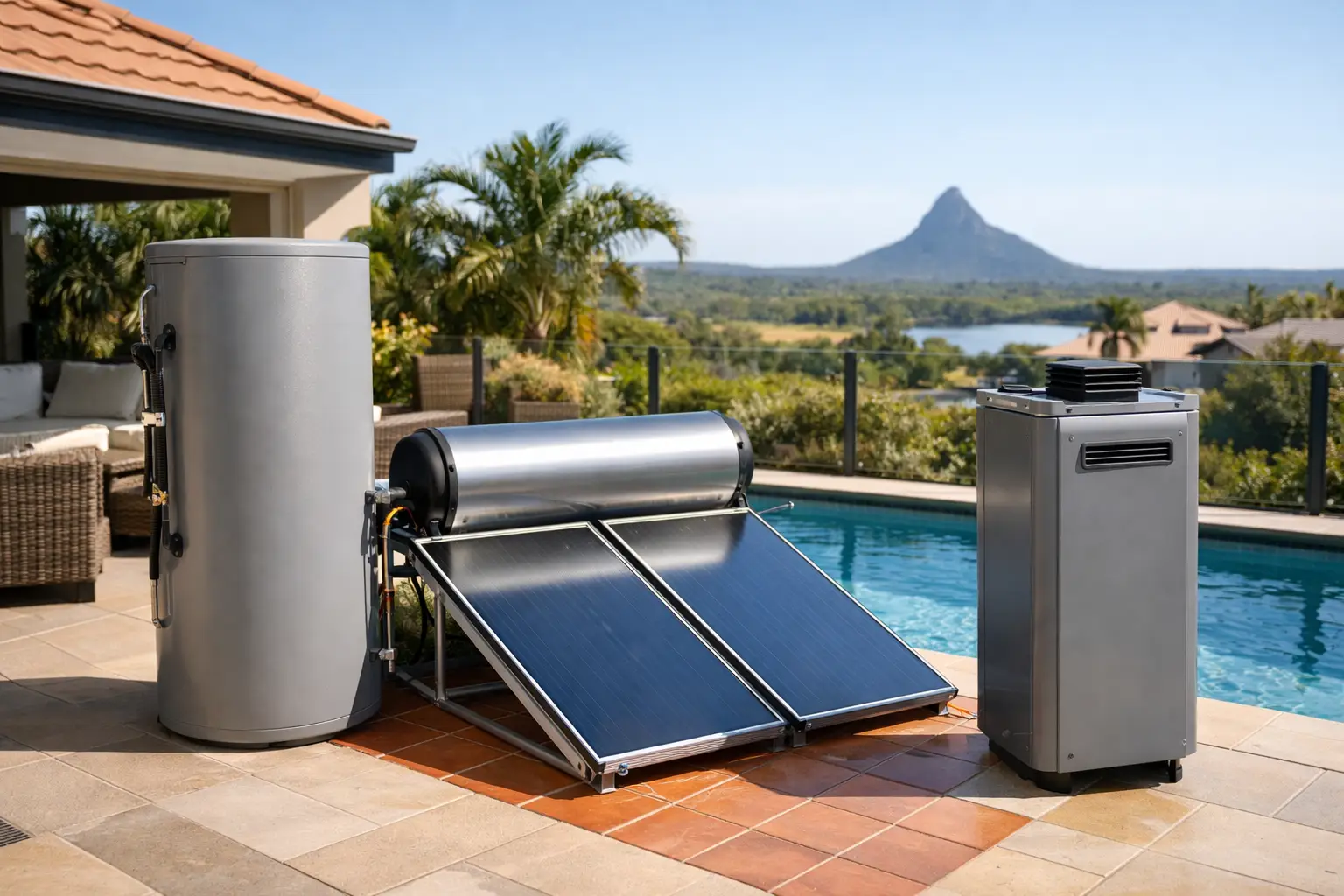
There are four main options most homeowners will compare – petrol storage, petrol continuous flow, electric storage, and newer efficiency-focused systems such as heat pumps or solar hot water.
Petrol hot water systems
For many households, petrol remains one of the most practical choices. It heats water quickly, performs well for families, and is often a strong option when you want dependable hot water without long recovery times.
Petrol storage
A petrol storage system keeps a tank of hot water ready to go. This works well for homes with fairly predictable daily use and for people who want a straightforward replacement without too many changes to existing plumbing.
The main advantage is familiarity and simplicity. These systems are easy to understand and can be cost-effective to install in homes already set up for petrol. The trade-off is that once the stored hot water is used up, you may need to wait for the tank to recover, especially during busy periods.
Petrol continuous flow
Continuous flow systems, sometimes called instantaneous systems, heat water only when you need it. There is no large storage tank, which frees up space and can improve efficiency.
These are often among the best hot water systems for busy households because they can provide a steady supply of hot water without the tank running out. They are a popular choice for families, renovated homes and anyone replacing an old bulky unit. The catch is that the unit needs to be sized properly. If it is too small for your household, you will feel the difference when multiple taps or showers are running at once.
Electric hot water systems
Electric systems are common, especially in older homes and units. They are often cheaper upfront, which can make them appealing when a system fails unexpectedly and budget is the main concern.
Electric storage
Electric storage units heat water in a tank and keep it ready for use. They are simple and widely available, and in some homes they are the easiest replacement option.
Their weak point is running cost. Electricity prices can make these systems more expensive to run over time than petrol or high-efficiency alternatives. They can still make sense in smaller households with lower hot water use, or in situations where upfront spend matters more than long-term savings.
If you are replacing like for like in a unit or investment property, electric storage may be the least disruptive choice. But if your household uses a lot of hot water, it is worth looking beyond the sticker price.
Heat pump hot water systems
Heat pumps have become more popular because they use less electricity than standard electric storage systems. Instead of generating heat directly, they draw warmth from the air to heat the water.
For homeowners focused on efficiency, a heat pump can be a smart long-term option. Running costs are often lower, and they can work well in the local climate. That said, they are not the cheapest systems to install, and some models make more noise than people expect. Placement matters, and not every property has the ideal space for one.
A heat pump can be one of the best hot water systems if you are planning ahead and want to cut ongoing energy use. It may be less attractive if you need an urgent replacement at the lowest possible upfront cost.
Solar hot water systems
Solar hot water uses roof-mounted collectors to heat water, usually with a booster for cloudy days or higher demand. On paper, it is an appealing option, especially if you want to lower energy bills over time.
In practice, solar suits some homes better than others. Roof orientation, shading, household usage patterns and installation complexity all play a part. The upfront cost is usually higher, and repairs or replacement can be more involved than with standard petrol or electric units.
For homeowners planning to stay in the same property for years, solar can be worth considering. For those who want a simple, fast replacement with fewer moving parts, another system may be a better fit.
How to choose the best hot water system for your household
Start with your actual hot water habits, not just the number of bedrooms. Two adults who shower once a day will have very different needs from a family with teenagers, frequent guests and plenty of washing.
If your home regularly has multiple showers running close together, petrol continuous flow or a well-sized petrol storage system can be a strong option. If your household is smaller and your priority is lower upfront cost, electric storage may be enough. If efficiency is high on your list and your property suits it, a heat pump or solar system could be the better long-term move.
It is also worth thinking about what happens on your busiest day, not your average one. A system that feels fine most of the time but struggles every Sunday morning is still the wrong system.
Installation matters as much as the system itself
Even the best unit can disappoint if it is poorly sized or badly installed. This is where many homeowners get caught. They compare products online, focus on brand names, then end up with a system that does not suit the home or the way the household actually uses hot water.
A proper assessment should look at your current setup, available space, petrol or electrical requirements, pipework, and whether the replacement is straightforward or needs upgrades. Safety matters too, especially with petrol appliances and any work involving plumbing and electrical connections.
That is also why speed and clear quoting count. When your hot water system fails, you do not want to chase three different trades, wait around for callbacks, or get hit with extras halfway through the job. A fixed quote and next-working-day installation can make a stressful replacement feel manageable.
Best hot water systems by household type
For a small household, the best fit is often an electric storage unit or a smaller continuous flow system, depending on your energy setup and budget. You do not want to overcapitalise on a unit designed for a much larger family.
For medium to large families, petrol continuous flow is often hard to beat for convenience and consistent performance. If your home already uses LPG petrol, that can make the decision even simpler.
For retirees or downsizers, lower running costs and ease of use usually matter more than high-capacity performance. A right-sized petrol or heat pump system can work well, depending on the property.
For rental properties, reliability and replacement speed are often the biggest priorities. Landlords usually want a system that is cost-effective, compliant and not likely to create repeat callouts.
When replacement is smarter than repair
If your current unit is older, leaking, rusty, slow to recover, or struggling to keep water at a steady temperature, repair is not always the best use of money. Sometimes it is. Sometimes it just delays the same problem by a few months.
A newer system can improve efficiency, free up space and give you more dependable performance day to day. If the repair bill is climbing and your household has already outgrown the current setup, replacement is often the more practical call.
For local homeowners, the best result usually comes from keeping the process simple – get the system properly assessed, choose the option that fits your household rather than a generic top pick, and have it installed by licensed professionals who can handle the job safely and without fuss. No Hassle Homes works with homeowners who want exactly that: one reliable team, clear pricing, and hot water sorted without the usual run-around.
If you are weighing up the best hot water systems, the right choice is the one that suits your home on an ordinary Tuesday and still performs when the whole house needs hot water at once.