


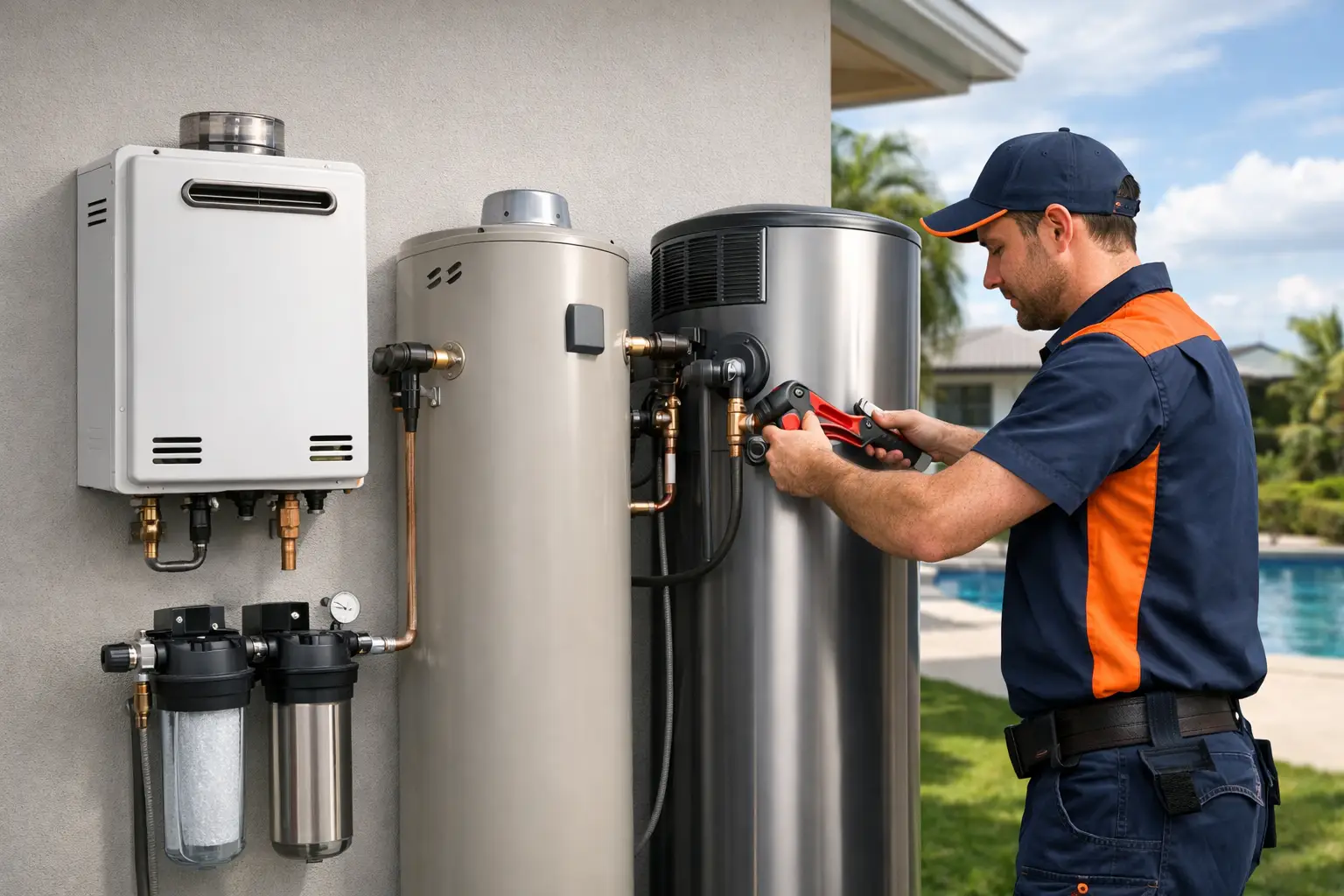
A cold shower is a rough way to discover your hot water system has reached the end of the line. Whether the tank is leaking, the water has gone lukewarm, or the system is simply getting old, understanding the hot water replacement process helps you make a clear decision without rushing into the wrong unit.
For most homes, replacement can be straightforward when it is planned properly. The key is choosing a system that suits your household, arranging licensed installation, and making sure the old system is removed and the new one is tested before the job is finished.
When Is It Time to Replace Your Hot Water System?
Hot water systems rarely fail at a convenient time. Some give clear warning signs over weeks or months, while others stop working with little notice. A system that is leaking from the tank, producing rusty or discoloured water, making unusual noises, or struggling to keep water hot may be nearing replacement.
Age matters too. Storage systems often become less efficient as they get older, particularly if sediment has built up inside the tank. If you are calling for repairs more than once, it is worth comparing the repair cost with the value of a new system. A repair may get you through for now, but it may not be the best value if another part is likely to fail soon.
If the system has stopped altogether, avoid trying to repair gas, electrical or plumbing connections yourself. Turn off the system only if it is safe to do so and arrange a qualified technician. A fast assessment can tell you whether a repair is sensible or replacement is the safer, longer-lasting option.
Step 1: Assess Your Household’s Hot Water Needs
The right replacement is not always a like-for-like swap. A system that suited two people may no longer keep up with a growing family, regular guests, or teenagers taking longer showers. On the other hand, installing an oversized unit can mean paying more upfront and using more energy than necessary.
Your installer will usually consider how many people live in the home, how many bathrooms are used at busy times, whether you have a dishwasher and washing machine running regularly, and your current energy source. They will also look at where the unit is located and whether access is clear for removal and installation.
For homes using LPG gas, a gas hot water system can offer strong recovery rates, meaning the unit can heat more water quickly after a busy morning. The best option depends on your usage pattern, available space, budget and existing connections. A household with limited outdoor space may need a different solution from a home with a large side access area and a bigger family demand.
Storage or Continuous Flow?
Storage systems heat and hold a set volume of water in a tank. They can be a practical choice where there is room for the unit and household demand is predictable. Continuous flow systems heat water as it is needed, so they do not rely on a tank of stored hot water. They are compact and can work well for many households, but correct sizing is essential if multiple taps or showers are likely to run at once.
There is no one-size-fits-all answer. The right system is the one that supplies dependable hot water for your home without unnecessary running costs or installation complications.
Step 2: Get a Clear Quote Before Work Starts
A good quote should make the job easy to understand. It should identify the proposed system, installation work, removal of the old unit, and any additional requirements that may apply to your property.
Sometimes a straightforward replacement reveals work that cannot be seen until the existing system is inspected. This might include ageing pipework, a non-compliant gas connection, drainage changes, electrical work, or restricted access around the old unit. These are not reasons to panic, but they are reasons to use a licensed installer who can explain the issue plainly and provide a clear path forward.
Ask what is included before booking. Clear pricing and direct answers reduce the chance of an unwelcome surprise on installation day. If you are replacing a gas system, ensure the work is completed by appropriately licensed gas fitters, not treated as a simple appliance swap.
Step 3: Prepare for Installation Day
Most of the preparation is simple. Make sure the installer can access the existing hot water system, clear away pot plants or stored items around the work area, and keep pets safely inside or away from gates. If the unit is located behind a side gate, check that it can be opened and that the path is clear.
You may be without hot water for part of the day while the old system is disconnected and the new one is installed. The exact timeframe depends on the type of system, the condition of existing services, and whether any upgrades are needed. Your installer should let you know what to expect so you can plan around school drop-offs, work-from-home calls or evening showers.
For urgent failures, speed matters. A local provider that handles gas, plumbing and related home services can save you from coordinating several trades just to restore a basic household essential.
The Hot Water Replacement Process on the Day
The installation begins with a site check. The technician confirms the system selection, inspects access and connections, and checks that the new unit can be fitted safely and in line with applicable requirements.
The old unit is then isolated from its gas, water and, where relevant, electrical supply. Water is drained from a storage tank before it is removed. This stage needs care, especially with older units that may be heavy, corroded or positioned in tight spaces.
Next, the new system is installed and connected. Depending on the job, this may involve new valves, pipework adjustments, a tempering valve, safe drainage arrangements, gas connection work or electrical connection work. The installer will also ensure the unit is securely positioned and accessible for future servicing.
Once connected, the system is commissioned. That means it is tested for safe operation, correct water flow and proper temperature delivery. Gas connections are checked, the unit is run, and the installer confirms there are no leaks. A storage system needs time to heat its full tank, while a continuous flow system can generally provide hot water once commissioning is complete.
The final step is removing the old unit and leaving the work area tidy. Before the technician leaves, ask any questions you have about operating the system, basic care and what to do if you notice a problem.
Why Licensed Installation Matters
Hot water replacement involves more than lifting one appliance out and putting another in its place. It can include gas fitting, water connections, pressure and temperature controls, drainage and electrical components. Each part needs to work together safely.
Poor installation can lead to leaks, unreliable performance, property damage or more serious safety risks. It can also create problems with manufacturer warranties and future servicing. A properly licensed professional will size the system appropriately, install it to the required standard and test it before handing the job back to you.
This is particularly valuable if you have other gas appliances at home, such as a cooktop or gas fire. An experienced gas fitter can identify issues around the installation area and help keep your home’s gas setup operating safely.
Getting the Most From Your New System
A new unit should make daily life easier, but a little care helps it stay that way. Keep the area around the system clear, do not block vents or access panels, and pay attention if water appears around the base of the unit. Book servicing when recommended for your system type, especially if it is exposed to coastal conditions or heavy use.
If your household changes, reassess your hot water needs rather than putting up with poor performance. A new baby, extra occupants, a bathroom renovation or frequent visitors can all change how much hot water your home needs.
For homeowners across the Gold Coast and surrounding areas, No Hassle Homes can take the stress out of replacing a tired hot water system with clear advice, licensed installation and a practical focus on getting your household back to normal. When hot water becomes unreliable, acting before a complete failure gives you more choice, less disruption and one less thing to worry about.