


A hot Gold Coast afternoon can make the decision feel simple: you just want the house cool. But ducted vs split air conditioning is not only about temperature. The right choice affects how every room feels, what you spend to install it, your ongoing power bills, and how easily the system fits into your home.
For some households, a couple of well-placed split systems are the practical answer. For others, whole-home ducted air conditioning delivers the comfort and clean finish they have been waiting for. There is no one-size-fits-all winner. The best system is the one that suits the way you use your rooms, not the one with the biggest brochure claims.
Ducted vs split air conditioning: the real difference
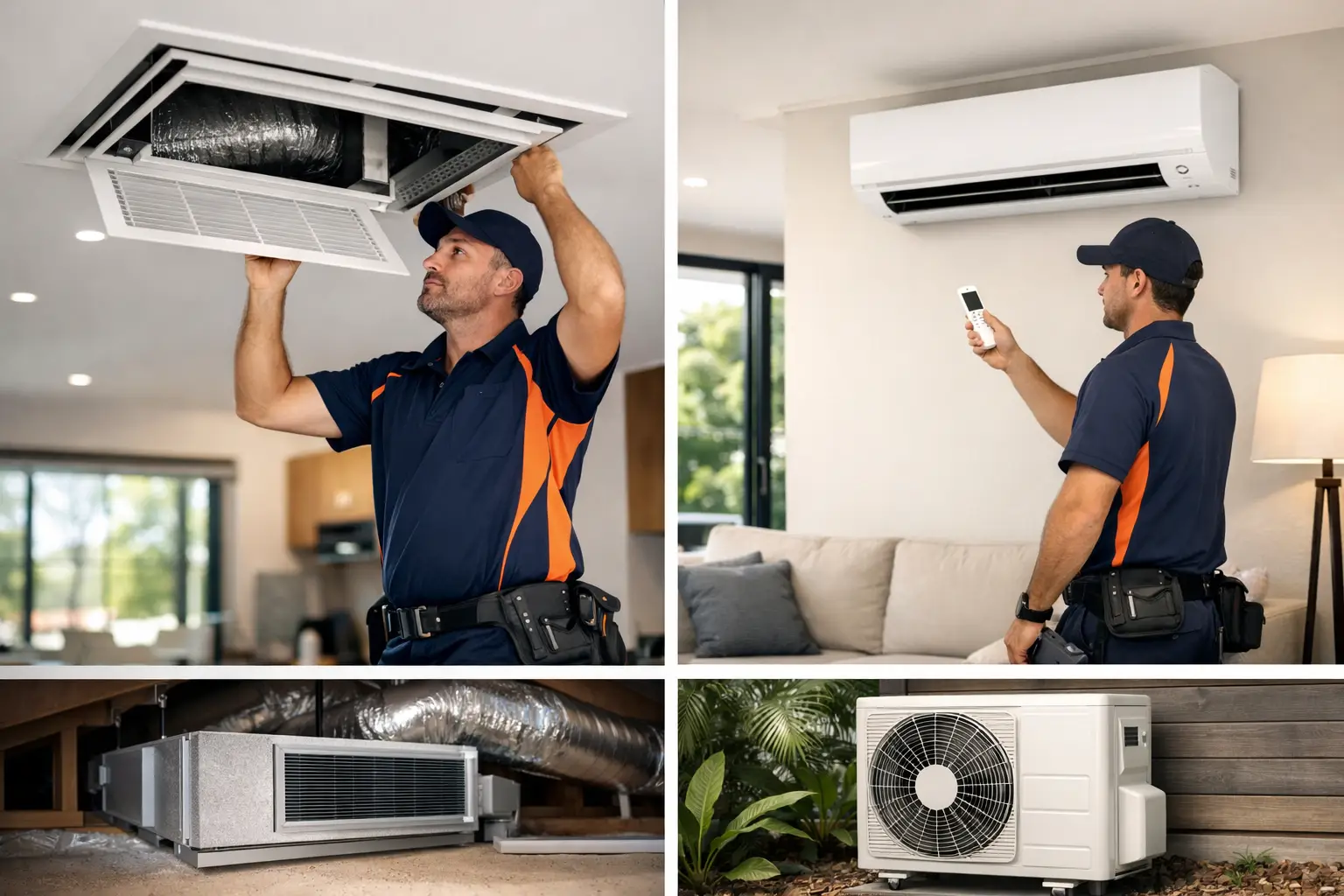
A split system air conditioner has two main parts: an indoor wall-mounted unit and an outdoor condenser. One indoor unit usually cools or heats one room or open area. You can install multiple split systems across the home, with each unit controlled separately.
Ducted air conditioning uses one central system to send conditioned air through concealed ducts in the ceiling. Outlets are installed in individual rooms or zones, while the main indoor unit is generally hidden in the roof space. A controller lets you manage the temperature, and zoning can allow selected areas to be run without conditioning the entire house.
Put simply, split systems cool targeted spaces. Ducted systems are designed for broader, more integrated comfort across the home.
When split systems make the most sense
Split systems are often a smart option for smaller homes, units, townhouses, and households that mainly use a few key areas. If the family gathers in an open-plan living room during the day and uses only two bedrooms at night, separate units in those spaces may cover what you need without paying to cool unused rooms.
They are also well suited to staged upgrades. You might install a quality split in the main living area now, then add one to the main bedroom later. This can make the upfront cost easier to manage, especially when an old system has failed and cooling is needed quickly.
Another advantage is individual control. Someone working from home can cool their office without running the lounge room unit. A teenager can set their bedroom differently from the rest of the house. When each unit is correctly sized and used sensibly, that room-by-room control can reduce wasted energy.
The trade-off is appearance and coverage. Indoor wall units are visible, and a multi-room home can end up with several outdoor condensers. Airflow may not reach hallways, closed bedrooms, or rooms around corners particularly well. If you want every part of a larger home comfortable at the same time, multiple split systems can become less tidy and less convenient to operate.
Why homeowners choose ducted air conditioning
Ducted air conditioning is popular with families and owners of larger homes because it provides a consistent whole-home result. With outlets positioned in bedrooms, living spaces and other frequently used rooms, it can take the edge off a humid summer day throughout the house rather than only in one area.
The discreet finish is another major drawcard. Apart from the ceiling vents and wall controller, most of the system is out of sight. That can be particularly appealing in renovated homes, new builds, or living areas where a wall-mounted unit would interrupt the look of the room.
Zoning makes a real difference to running costs and comfort. Rather than turning on the entire home, you can run the living zone in the afternoon and bedrooms later in the evening. The exact number and layout of zones should be planned around your household routine. A rushed design with too few zones can limit the flexibility that makes ducted worthwhile.
Ducted systems do require more planning. The installer needs suitable roof-space access, a sensible duct path, and room for the indoor fan coil, outdoor unit and drainage. Homes with low-pitched roofs, limited ceiling cavities, difficult access or heritage features may need a different approach. Installation is usually more involved than fitting a single split system, so the upfront investment is generally higher.
Upfront cost is only part of the picture
It is tempting to compare a single split-system quote with a ducted quote and choose the cheaper number. That does not always compare like with like. A single split cools one space, while a ducted system may serve most of the house. A better comparison is the cost of achieving the comfort level you actually want.
The price of either system depends on the size of the home, insulation, ceiling access, electrical requirements, unit capacity, number of rooms, zoning and the complexity of pipework or ducting. A home with plenty of sun-facing glass and little insulation may need a different capacity from a similar-sized house with shade and good roof insulation.
Running costs also depend heavily on how the system is used. A ducted system left running across every zone for hours will use more power than one managed carefully. Several split systems running at once can also add up. Energy-efficient equipment, sensible temperature settings, clean filters and a system sized properly for the room matter more than simply choosing one format over the other.
As a practical rule, setting the temperature to an extreme level will not cool the home faster. It usually just makes the system work longer and costs more to run. Aim for a comfortable setting, close doors and windows, use ceiling fans to help circulate air, and block harsh afternoon sun where possible.
Comfort, noise and day-to-day use
Both options can provide excellent cooling and heating when selected and installed correctly. The difference is in how you experience them each day.
A split system delivers strong, direct airflow in its room. That is useful in a living area, but some people notice the indoor fan sound more in a quiet bedroom. Positioning matters too. You do not want a unit blowing straight onto the bed or favourite spot on the couch.
Ducted outlets spread air more gently through each zone, and the main fan unit is generally out of the living space. This can feel quieter and more even, particularly at night. However, duct layout and outlet placement are critical. Poorly designed ducting can create noisy airflow, weak rooms or uneven temperatures.
For homes where doors are often closed, such as families with separate bedrooms or people working from home, ducted zoning can be more convenient. For households that spend nearly all their time in one living area, a well-sized split system can offer excellent comfort without paying for capacity they rarely use.
What to check before deciding
Before booking installation, think about the home in real terms. Which rooms are uncomfortable now? How many people are usually home during the day? Do you need bedrooms cooled overnight? Are you renovating, building, or working around an existing layout?
It also helps to consider the following practical factors:
- Roof-space access and available ceiling cavity for ducts.
- The number of rooms you want cooled or heated at the same time.
- Where outdoor units can be placed without affecting access, noise or neighbours.
- Your electrical switchboard capacity and any required upgrades.
- Insulation, window coverings and sun exposure, which all affect system performance.
A proper site assessment is worth more than a quick recommendation based only on floor area. Ceiling heights, room orientation, glazing and how the house is lived in all change the right system size and layout. Oversizing can cause short cycling and unnecessary cost, while undersizing leaves the system struggling when the heat is at its worst.
Maintenance matters for both systems
Air conditioning needs regular care, whether it is ducted or split. Clean filters help airflow, efficiency and indoor air quality. Outdoor units should be kept clear of leaves, garden growth and stored items. If you notice weak airflow, water leaks, unusual noise, smells or a system that is not holding temperature, arrange a professional check before a minor issue becomes a breakdown.
Ducted systems also benefit from checking outlets, ducts and zone controls as part of scheduled servicing. Split systems need indoor coil and drain maintenance, particularly in humid conditions where mould and blocked drains can develop.
No Hassle Homes can help homeowners across the Gold Coast and surrounding areas choose an air conditioning setup that suits the property, then arrange licensed installation with clear advice on the work involved.
The best choice comes down to how you live at home. If you want affordable, targeted cooling for the rooms you use most, split systems are often hard to beat. If you want discreet, whole-home comfort with the flexibility to manage zones, ducted air conditioning may be the better long-term fit. Start with your rooms, routines and budget, then choose a system designed around them.