


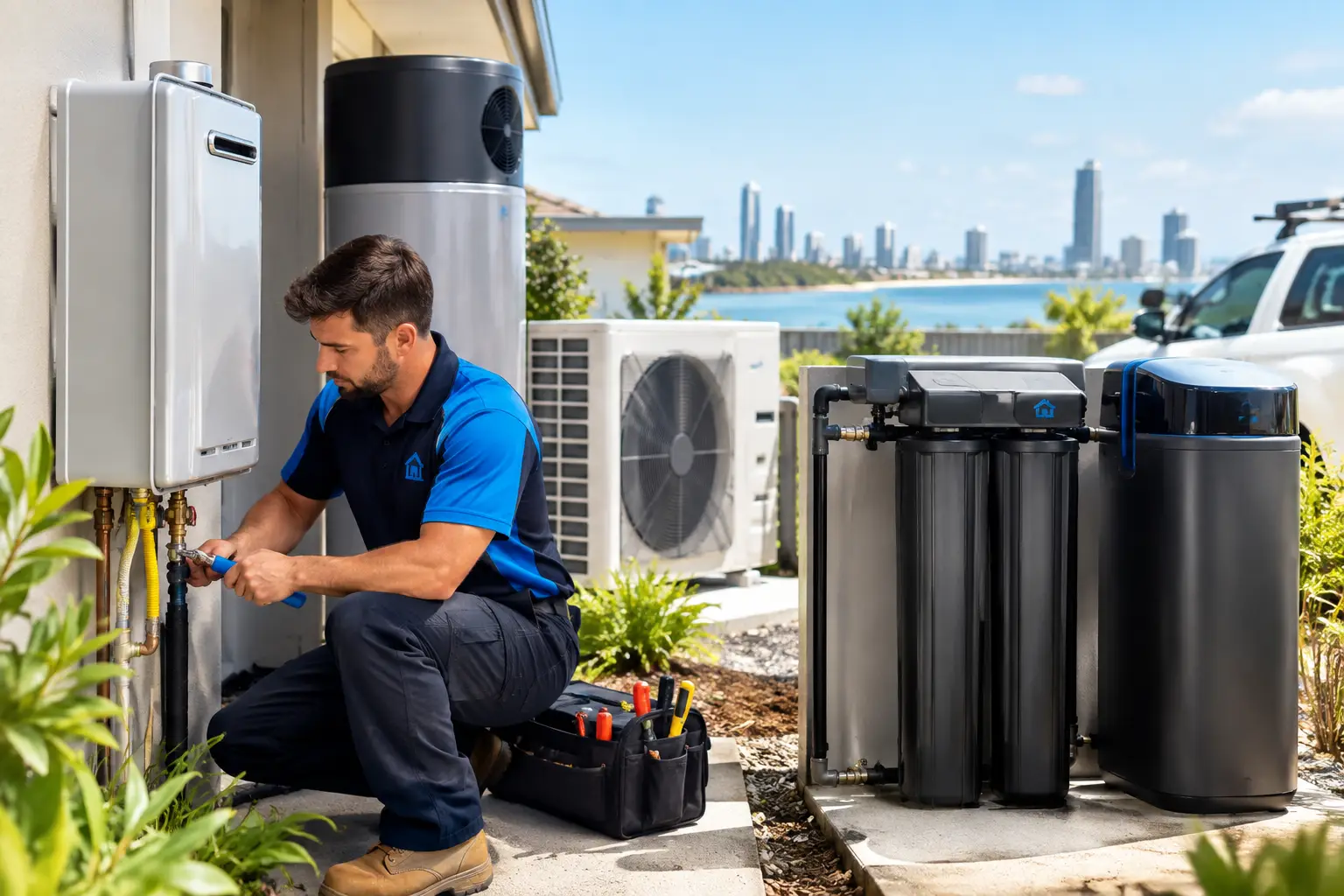
A gas bottle that keeps cutting out, a cooktop that will not ignite, or a hot water system that has stopped working can turn an ordinary day upside down. This guide to licensed gas fitting explains what a qualified professional does, why licensing matters, and how to make a safe, sensible decision when gas work is needed at home.
What licensed gas fitting actually means
Gas fitting is the installation, alteration, repair and testing of gas systems and appliances. That can include LPG bottles and regulators, gas pipework, gas hot water systems, cooktops, ovens, gas fires and bayonet points.
A licensed gas fitter has completed the required training and holds the authorisation needed to carry out gas work in their state or territory. They understand gas pressure, ventilation, appliance clearances, pipe sizing, leak testing and the relevant Australian standards. Just as importantly, they know when a job needs additional plumbing or electrical work and how to coordinate it safely.
For homeowners across the Gold Coast, Southern Brisbane and Tweed Heads, this matters because rules and licensing requirements can differ across the Queensland and New South Wales border. A properly qualified local professional will know which requirements apply to your property and the work being completed.
Licensed does not simply mean someone is handy, experienced or recommended by a mate. It means they are authorised to perform regulated gas work and accountable for the result.
Why gas work is not a DIY job
There are plenty of household jobs worth tackling yourself. Replacing a washer, cleaning a rangehood filter or changing a shower head are usually manageable. Connecting, moving or repairing gas equipment is different.
A small mistake can create a leak, poor combustion, carbon monoxide risk, fire risk or damage to an appliance. Problems are not always obvious straight away. An incorrectly connected regulator might appear to work until demand rises, while a poorly positioned appliance can create ventilation issues over time.
DIY gas work may also affect insurance, warranties and compliance when you sell or lease a property. The apparent saving can quickly disappear if the work needs to be corrected, an appliance is damaged, or an unsafe installation is found later.
A licensed gas fitter does more than connect a line and turn the gas on. They check that the appliance is suitable for the gas type, inspect connections, test for leaks, confirm safe operation and make sure the installation meets applicable requirements. Where required, they provide the relevant compliance documentation or certificate for the completed work.
When to call a licensed gas fitter
If you are replacing, relocating, installing or modifying anything connected to gas, arrange a licensed gas fitter. That includes a new LPG cooktop, a gas hot water system, an outdoor heater connection or a gas fire.
You should also call for help when you notice a persistent gas smell, hissing near a connection, yellow or uneven flames, soot around an appliance, a pilot light that will not stay on, or hot water that regularly cuts out. These signs do not automatically mean there is a serious fault, but they are not worth guessing about.
If you smell gas, turn off the gas supply if it is safe to do so, keep flames and sparks away, avoid operating electrical switches nearby, move people away from the area and call for professional advice. Do not try to find a leak with a naked flame or attempt a repair yourself.
For LPG households, the issue is sometimes as simple as an empty bottle or a regulator that needs attention. Having a gas fitter involved in delivery can be particularly useful. If they spot a problem at the bottle connection, they can assess it on the spot rather than leaving you with gas but no safe way to use it.
What safe gas fitting work should look like
Good gas fitting should feel straightforward from the homeowner’s side. You should not need to chase vague arrival times, decipher a technical quote or wonder whether a connection has been checked.
Before work begins, the gas fitter should understand what you need, inspect the existing setup and confirm whether your chosen appliance is compatible. For a cooktop, that may include checking the cut-out size, gas type, clearances and ignition requirements. For hot water, it can involve assessing the existing unit, location, pipework, drainage and demand from your household.
During installation, the fitter should use suitable approved components and make the required connections properly. Afterward, testing is essential. This may include pressure testing the line, checking joints for leaks, confirming burner operation and verifying that safety controls work as intended.
The final step is often the one homeowners value most: a clear handover. You should know how to operate the appliance, where the shut-off point is, what basic care it needs and who to call if something does not seem right. Keep any compliance paperwork and appliance documents somewhere accessible.
Questions worth asking before you book
You do not need to become a gas expert before making a booking. A few direct questions can help you choose a provider with confidence.
Ask whether the person carrying out the work is licensed for the specific gas job, and whether they are insured. Confirm what is included in the quote, especially if old equipment needs removal, pipework needs altering or another trade is required. It is also reasonable to ask about timing, warranty arrangements and whether compliance paperwork will be provided where required.
Price matters, but the lowest quote is not always the best value. A quote that excludes testing, required fittings, certification or follow-up work can look cheaper until the extras appear. Fixed, transparent pricing gives you a clearer picture before work starts.
It is also worth asking whether the company can help with related work. A cooktop replacement may need electrical isolation. A new gas hot water system may involve plumbing changes. Dealing with one dependable team can save time and reduce the chance of different trades blaming each other when something needs attention.
Choosing the right appliance and setup
The best gas solution depends on how your household uses it. A large family with back-to-back showers has different hot water needs from a couple in a smaller home. A keen home cook may want a particular cooktop layout, while another household simply wants an easy-to-clean replacement that fits the existing bench cut-out.
For LPG systems, bottle placement and access are practical considerations. Bottles need to be positioned and connected safely, but they also need to be accessible for deliveries and future servicing. If your bottles sit behind a locked gate, down steep steps or in a tight side passage, mention it when booking. A little planning helps avoid delays on delivery day.
Appliance efficiency is another trade-off. A higher-efficiency system may cost more upfront but reduce gas use over time. The right answer depends on purchase price, expected use, installation requirements and how long you plan to stay in the home. A good fitter can explain the practical options without pushing a one-size-fits-all solution.
Licensed gas fitting and ongoing maintenance
Most gas appliances are reliable when they are installed correctly and looked after. Still, they benefit from occasional attention. Follow the manufacturer’s servicing guidance, keep air vents clear, clean cooktop burners as directed and act early if performance changes.
For LPG customers, regular bottle supply is part of keeping the home running. Running out during dinner, a hot shower or a family weekend is inconvenient, especially when it could have been avoided with a reliable delivery schedule. Flexible ordering and weekend delivery options make a real difference for busy households.
No Hassle Homes brings gas delivery and licensed gas fitting together, so homeowners can arrange supply, installation and repairs with one local team. That is particularly helpful when a delivery uncovers a worn connection or a regulator issue that needs prompt attention.
A safer, simpler way to get the job done
Gas should make home life easier: hot showers, reliable cooking and comfortable living without a second thought. When something needs installing or repairing, choose a licensed gas fitter, ask clear questions and expect testing, honest pricing and a proper handover. The right help means you can get back to using your home with confidence, not worrying about what is happening behind the appliance.