


A new cooktop should make dinner easier, not leave you wondering whether the gas line is safe behind the cabinetry. If you are asking, do I need licensed gas fitters, the practical answer is yes for most work involving a fixed gas installation, appliance connection, repairs or changes to your gas supply.
For homeowners, the line is fairly simple: changing an LPG bottle in the usual way is one thing. Anything that involves gas pipework, regulators, appliance installation, fault-finding or testing is work for a properly licensed professional. It protects your household, helps keep your appliance warranty intact and makes sure the job is completed to the relevant safety requirements.
When do I need licensed gas fitters?
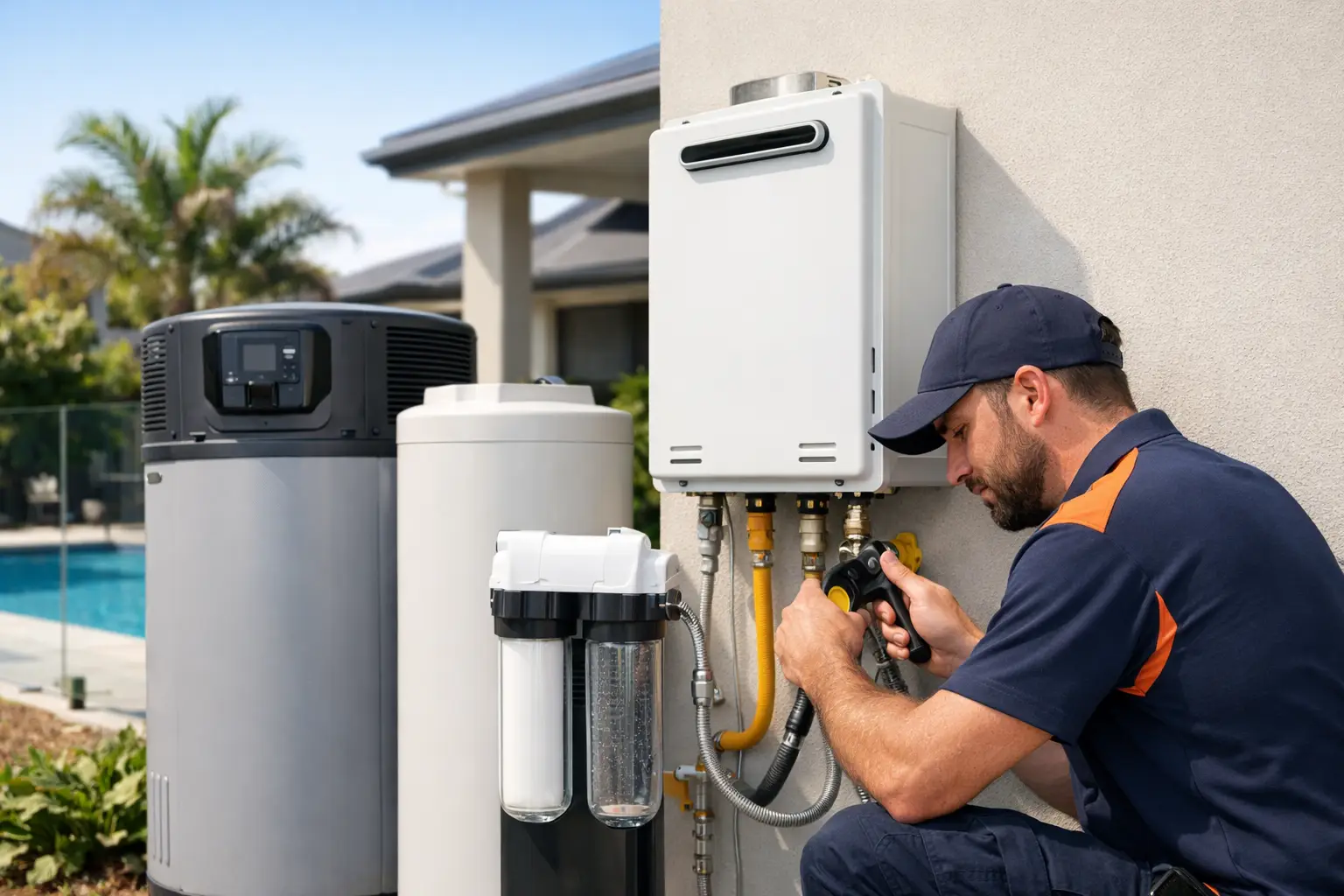
You need a licensed gas fitter when work affects the gas system itself. That includes fitting or relocating gas pipework, connecting a new cooktop or gas hot water system, installing gas fires, replacing a regulator, repairing a leak, or commissioning an appliance after installation.
This also applies when you are changing from one appliance to another, even if it looks like it will fit in the same spot. A newer cooktop may have different gas consumption, clearance requirements or connection needs. The gas supply, ventilation and appliance settings need to be checked as part of the job, rather than assumed to be suitable.
In Queensland and New South Wales, gas work is regulated and licensing requirements apply. The exact rules can differ across the border, but the principle does not: fixed gas work should be carried out by someone appropriately licensed for the work. A professional can assess the setup, complete the connection correctly, test for leaks and provide the documentation required for the job.
It may feel tempting to save time by asking a handy friend to connect an appliance. But gas is not a place for guesswork. A small error can lead to a leak, poor appliance performance, carbon monoxide risks or a fault that only becomes obvious when the system is under pressure.
What you can usually do yourself
Most households can replace an LPG gas bottle that is connected to a standard outdoor cylinder arrangement, provided they follow the appliance and cylinder instructions. Before reconnecting, make sure the valve is turned off, the connection is clean and the bottle is upright and secure. After fitting the new bottle, check that there is no smell of gas and that everything is operating normally.
That is different from changing the regulator, moving bottle locations, adding pipework or trying to solve a supply problem. If the connection is damaged, the hose looks worn, the regulator is corroded, or the gas does not flow properly after a bottle change, stop there and call a gas fitter.
A delivery driver who is also a qualified gas fitter can be particularly helpful in these moments. They can identify an issue on site rather than leaving you with a full bottle and no hot water or cooking gas while you organise another trade.
Jobs that should never be a DIY gas project
There are a few jobs where the answer is always clear. Installing a gas cooktop, gas hot water system or gas fire needs a licensed gas fitter. So does extending a gas line for an outdoor kitchen, converting an appliance between gas types, or reconnecting an appliance after renovations.
A conversion deserves special attention. Appliances are designed and adjusted for a specific gas type. Using the wrong jets, pressure settings or regulator can cause poor combustion and create a serious safety risk. It is not simply a matter of changing a fitting.
Likewise, do not attempt to repair a gas hose with tape, force a connection that does not line up, or keep using an appliance that repeatedly goes out. Those are warning signs that the system needs professional attention.
Why a licensed gas fitter does more than connect a pipe
A proper gas installation is not just about getting the flame to light. A licensed fitter checks that the appliance is suitable for the location, that the gas supply is correctly sized and that connections are accessible and protected. They also test the work before leaving.
For a cooktop, this can include checking the cut-out, clearances to surrounding surfaces, ventilation and burner operation. For gas hot water, it may involve confirming the unit location, flue or ventilation requirements where relevant, water connections and safe operation under normal household demand.
This matters in older homes as much as new ones. A property may have pipework installed years ago for a different appliance or a smaller gas load. Adding a larger cooktop, a gas fire or a new hot water system can change what the system needs to safely support.
There is also a practical benefit: professional installation avoids the frustrating problems that turn up later. Poor ignition, weak burner flames, inconsistent hot water, recurring shutdowns and gas smells are not issues you should have to live with after paying for a new appliance.
What to do if you smell gas
Treat a gas smell as urgent. If it is safe to do so, turn off the gas supply at the cylinder valve. Keep everyone away from the area and avoid flames, smoking, lighters and electrical switches. Do not start the car or use electrical equipment near the suspected leak.
Move to fresh air and contact a licensed gas fitter for advice and urgent attendance. If there is an immediate threat to people or property, call 000. Do not try to locate the leak with a naked flame, and do not turn the gas back on until the issue has been checked and made safe.
A smell might come from a loose connection after a bottle change, a damaged hose or a problem with an appliance. The cause may be straightforward, but it still needs to be identified properly before the system is used again.
Choosing the right person for the job
When booking gas work, ask whether the person doing the work is licensed for gas fitting and whether they will test and commission the appliance once it is installed. It is also reasonable to ask what is included in the quote, particularly if pipework, regulators, electrical work or plumbing changes could be involved.
A fixed quote is useful because it gives you clarity before work begins. Still, a good provider will explain if an unforeseen site issue changes the scope. For example, an old regulator may not meet the needs of a replacement appliance, or hidden pipework may need attention once the existing unit is removed.
For households across the Gold Coast, Southern Brisbane and Tweed Heads, it can save plenty of running around to use one local team for LPG supply, gas fitting and connected home services. No Hassle Homes can arrange gas bottle delivery as well as licensed help with gas hot water systems, cooktops and gas fires, so a supply issue does not have to become a separate booking with another trade.
The safer, simpler call
If you are only swapping an LPG bottle on a standard setup and everything is in good condition, follow the instructions carefully. For almost everything else involving your gas system, book a licensed gas fitter. The right job done properly means you can get back to hot showers, home-cooked meals and a house that runs the way it should – without wondering what is happening behind the connection.