


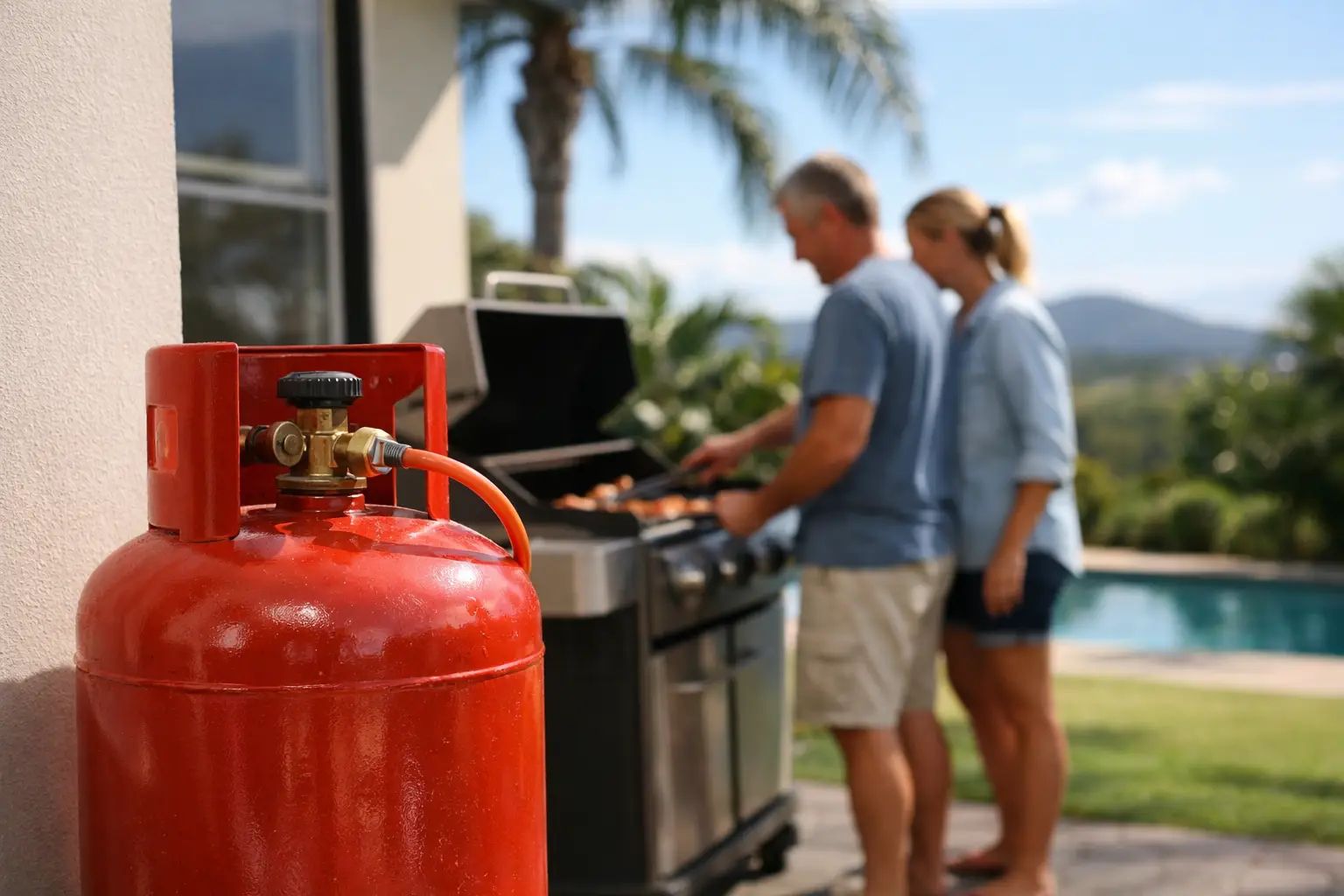
Running out of gas is frustrating. Finding a damaged bottle, a loose connection or a strange gas smell is something else entirely. This guide to LPG bottle safety is for homeowners who want the basics done right – so the bottle outside stays safe, the appliances inside work properly, and small issues do not turn into urgent ones.
For most households, LPG is straightforward when the setup is correct and the bottle is handled properly. Problems usually come from the same few causes: poor storage, worn hoses, makeshift connections, or damage that goes unnoticed. The good news is that the safest habits are also the simplest ones.
Why LPG bottle safety matters at home
LPG bottles are built for outdoor household use, but they still need the right conditions. Heat, poor ventilation, impact damage and faulty fittings can all create risk. That does not mean you need to be nervous around gas. It means you need a setup that is installed properly, checked regularly and used as intended.
For homes across the Gold Coast, Southern Brisbane and Tweed Heads, the climate adds a few practical considerations. Outdoor bottles cop plenty of sun, storms can shift unsecured items, and coastal conditions can speed up corrosion on fittings. A bottle that looked fine six months ago may not be in the same shape now.
A guide to LPG bottle safety starts with storage
Where you keep the bottle matters more than most people realise. LPG bottles should be stored upright, outdoors, and in a well-ventilated area. They should never be stored inside the home, under stairwells, in enclosed garages, or anywhere gas could build up if a leak occurred.
The bottle also needs some breathing room. Avoid tucking it tightly against walls, piling garden gear around it, or blocking access with bins and outdoor furniture. Easy access is not just convenient for delivery and replacement. It also makes inspections faster and safer if something needs attention.
Heat is another factor. A normal outdoor position is fine, but the bottle should not be exposed to direct flame, sparks, or extreme heat sources such as barbecues, fire pits or electrical equipment that is not meant to be nearby. If the location gets harsh afternoon sun, that is usually manageable, but it still needs to be a compliant installation area with good airflow.
Check the bottle condition, not just the gas level
A lot of people only think about their bottle when the gas runs low. The condition of the bottle and fittings matters just as much. Start with a quick visual check every so often. Look for rust, dents, gouges, bent valves, or any signs the bottle has taken a knock.
Surface wear is not always serious, but deep corrosion or visible damage is a different story. If a bottle looks unsafe, do not keep using it and do not try to patch the problem yourself. The same goes for the valve area. Dirt, grime and insect nests can interfere with safe operation, especially if a bottle sits untouched for long periods.
A bottle should always stand stable on a firm base. If it is leaning, rocking or sitting in a puddle-prone spot, fix the location before it becomes a bigger issue. Water, mud and uneven ground are bad companions for any gas bottle setup.
Connections are where many issues start
The bottle itself is only one part of the system. Regulators, hoses and connections do a lot of the work, and they are often where leaks or failures begin. If a hose looks cracked, brittle, perished or rubbed through, it is time to replace it. If a regulator appears corroded or damaged, have it checked.
One common mistake is assuming a connection is fine because the appliance still works. Gas systems can keep running even when a fitting is deteriorating. Performance is not always a reliable safety test.
It is also worth saying plainly: avoid DIY gas work. Tightening something that seems loose or swapping a part that looks simple can create a bigger problem if the wrong component is used or the fitting is not tested correctly. Licensed gas fitters know what is compliant, what is worn out, and what needs replacement on the spot.
How to spot a possible gas leak
A gas leak is one of those situations where quick action matters more than guesswork. The most obvious sign is the smell of gas near the bottle, regulator or appliance. You may also hear a faint hissing sound, or notice an appliance is not operating as it normally does.
If you suspect a leak, turn off the gas at the bottle if it is safe to do so. Keep people away from the area, avoid using switches or flames nearby, and do not try to test the leak with a lighter or any open flame. That should never happen, even as a quick check.
A soap solution test can help identify leaks around fittings, but only if you know what you are checking and the situation is controlled. If there is any doubt, the safest move is to stop using the system and call a licensed gas fitter. That is especially true if the smell is strong, ongoing, or coming from more than one point.
Safe everyday habits make a difference
Most LPG bottle safety comes down to routine behaviour. Keep the bottle area clear. Do not let kids play around the installation. Do not hang towels, hoses or cords over valves and regulators. When trades are working nearby, make sure they know where the gas bottle is, particularly if they are using tools that create sparks.
If you are having landscaping, fencing or exterior building work done, check that bottle access and ventilation are not being compromised. It is surprisingly common for a previously safe setup to become awkward or non-compliant after a home improvement job.
Deliveries also matter. A rushed bottle swap, poor placement or missed damage can cause trouble later. That is one reason it helps to use a provider whose gas fitters deliver gas and can deal with issues immediately if something looks wrong. For homeowners, that can mean less downtime and fewer separate callouts.
What to do when changing or replacing a bottle
If your home setup uses exchange bottles or replaceable cylinders, stick to the correct process every time. Turn the valve off fully before disconnecting anything. Make sure the new bottle is the right type and size for your system. Check that the connection is clean and seated correctly before the gas is turned back on.
Do not force fittings. If something does not line up easily, stop there. Cross-threading, overtightening or using the wrong adaptor can damage the connection and create a leak path. A replacement should feel straightforward. If it does not, something is off.
After any bottle change, stay nearby for a moment and pay attention. Listen, smell, and make sure the appliance starts normally. A rushed swap followed by walking away is how small issues get missed.
When to call a licensed gas fitter
Some jobs are not maintenance jobs. They are licensed gas work, and that line matters. If you need a new regulator, a new hose, a bottle relocation, a cooktop connection, a hot water service gas connection, or help with a gas fire or generator setup, get a licensed professional involved.
It also makes sense to call if your bottle runs empty unusually fast, your appliance flames look inconsistent, or you have had repeated trouble with relighting or gas flow. Those problems can point to leaks, faulty components or pressure issues that need proper testing.
For many homeowners, the best option is not just finding someone who can deliver gas. It is finding one reliable local team that can deliver, inspect, repair and install without sending you off to coordinate multiple trades. That is often the fastest path back to a safe, working home.
A practical guide to LPG bottle safety for busy households
If your days are already full, the best safety plan is one you will actually keep up with. Give the bottle area a visual check now and then. Keep the space clear and ventilated. Watch for rust, damage and hose wear. Take gas smells seriously. And do not treat gas fittings like a weekend DIY project.
LPG systems are dependable when they are looked after properly. You do not need to overthink them, but you do need to respect them. A few sensible checks, the right storage, and help from a licensed gas fitter when something is not right can save you a lot of stress later.
If there is one useful habit to keep, it is this: when something about your gas setup feels off, trust that instinct and get it checked before it becomes a bigger job.