


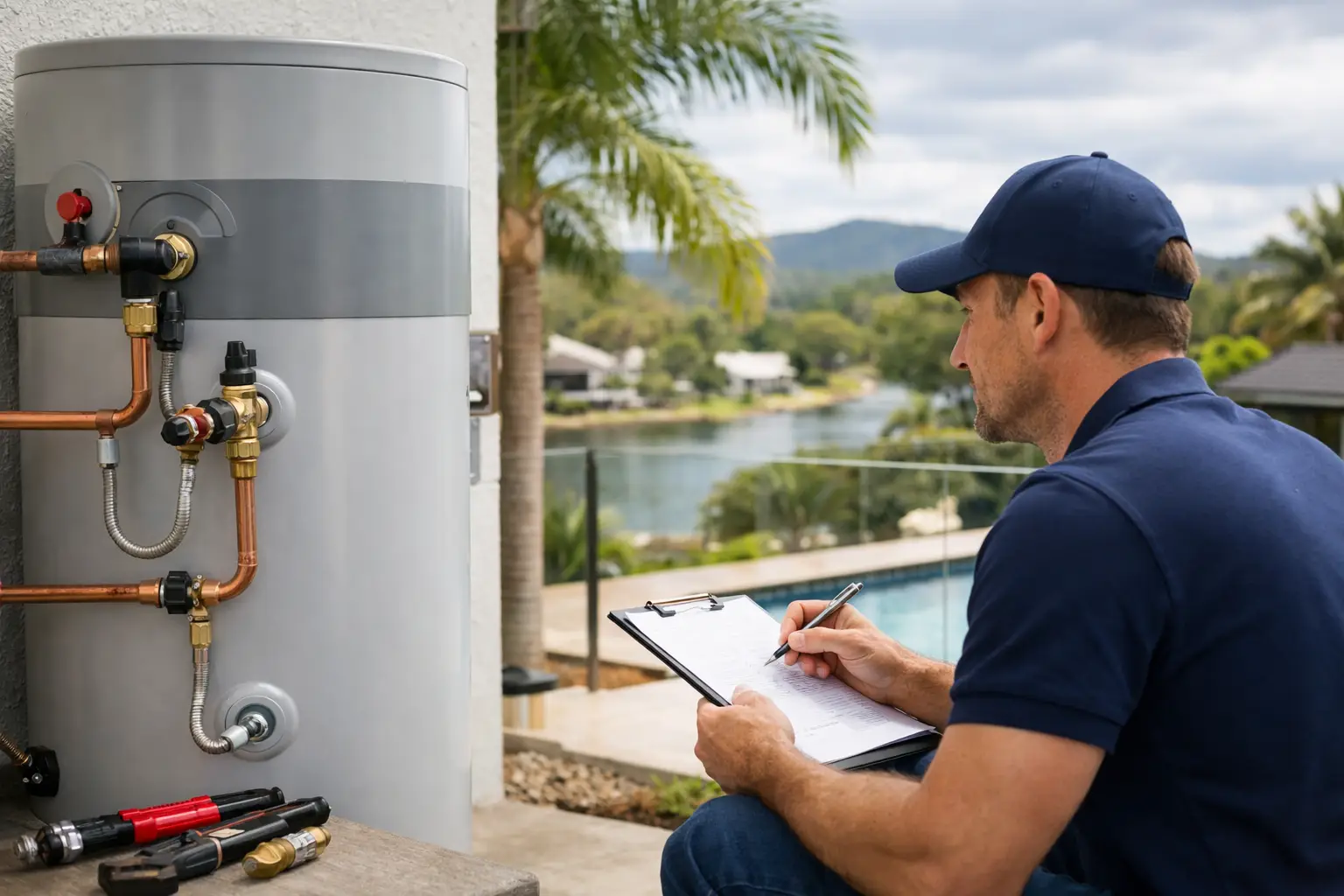
A cold shower is usually what forces the question: what is the real hot water installation cost, and why do quotes vary so much? If you’re replacing a failed unit or planning ahead before your current system gives up, the answer depends on more than just the tank itself. The type of system, your home’s setup, the condition of existing connections, and how quickly you need it done all affect the final figure.
For homeowners across the Gold Coast, Southern Brisbane and Tweed Heads, the biggest frustration is not simply cost. It is uncertainty. One installer gives a low starting price, another mentions extra plumbing, and suddenly what seemed straightforward becomes hard to compare. The good news is that hot water pricing does make sense once you know what sits behind the number.
What affects hot water installation cost?
The biggest factor is the kind of hot water system you’re installing. Storage systems are often simpler to replace if you are swapping like for like. Continuous flow systems can be compact and efficient, but installation can vary depending on petrol line sizing, electrical requirements and location. Heat pumps can reduce running costs, though the upfront price is usually higher. Electric systems may suit some properties well, but not every home has the same tariff setup or space available.
Then there is the condition of the existing installation. If your old unit is in the same position, with compliant valves, suitable pipework and easy access, the job is usually quicker and more predictable. If the installer finds outdated fittings, corrosion, poor drainage, non-compliant tempering, or a location that no longer meets current standards, the cost can climb. That is not quote padding. It is the difference between replacing a box and delivering a safe, compliant installation.
Labour also plays a real part. A ground-level outdoor job with easy access is different from replacing a system tucked into a tight cupboard, mounted on a tricky wall, or installed where trades need extra time to work safely. If electrical work, petrol fitting and plumbing all need to happen together, coordination matters too.
Typical hot water installation cost ranges
In practical terms, many homeowners want a ballpark figure before they book. Fair enough. While exact pricing depends on site conditions and system selection, a straightforward replacement may sit in a very different range from a full upgrade or changeover.
A standard electric or petrol storage replacement can be one of the more affordable options when the new unit matches the old setup. A continuous flow system may cost more upfront, especially if pipework or petrol supply needs adjusting. Heat pump installations usually sit at the higher end because the equipment itself costs more and placement matters.
That said, the cheapest quote is not always the cheapest job. If disposal of the old unit, valves, trays, compliance items, or commissioning are excluded, the final invoice can drift well beyond the original number. A proper fixed quote is worth more than a headline price that grows once work begins.
Why changing system type often costs more
This is where many budgets get caught out. Replacing an old petrol storage unit with a new petrol storage unit is usually simpler than changing from electric to petrol, or from storage to continuous flow. When you change system type, you may also be changing the way your home is plumbed, vented, powered or supplied with petrol.
For example, moving from electric storage to petrol continuous flow can be a smart long-term decision for some households, especially where space is tight or hot water demand is high. But installation may require a new petrol line, upgraded regulator capacity, changes to water pipe placement, and compliant power supply for ignition or controls. That can make the upfront hot water installation cost noticeably higher, even if the system is a better fit over time.
The same applies to heat pumps. They can be attractive for households looking to lower energy use, but they are not a one-size-fits-all answer. They need suitable space, airflow and drainage, and some properties are simply easier to set up than others.
The hidden items that can change a quote
The phrase “installed from” leaves a lot unsaid. In real homes, there are often a few extras that matter.
Old system removal is one. Safe disconnect, removal and disposal should be clear in the quote. Compliance upgrades are another. Tempering valves, pressure limiting valves, safe trays, seismic restraints where required, and drainage provisions may all need attention. None of these are glamorous, but they are part of a proper installation.
You may also need switchboard work, upgraded isolation, or petrol adjustments. If the existing setup was done years ago, current standards may require a few things to be brought up to scratch. Good installers explain these items early, not halfway through the job.
Timing can also affect price. An urgent replacement after failure can be more expensive than a planned installation, particularly if the job needs fast parts sourcing or out-of-hours coordination. Still, for many households, getting hot water back quickly matters more than saving a small amount on delay.
How to compare quotes without getting caught
A useful quote should tell you exactly what is included. Not just the model, but the labour, removal of the old system, standard fittings, compliance items, testing and commissioning. If a quote is much lower than the others, check whether it excludes work that will almost certainly be needed.
It also helps to ask whether the quote assumes a like-for-like changeover. If your installer has not seen photos or inspected the site, they may be pricing on best-case conditions. That does not always mean they are being vague on purpose, but it does mean the number may shift later.
A better approach is fixed-price quoting based on real information. That gives homeowners something simple but valuable: confidence. You know what you are booking, what you are paying, and what happens next.
Is a higher hot water installation cost ever worth it?
Often, yes. The right question is not just “What does it cost today?” but “What will this system cost me to live with?” A cheaper unit may have lower upfront cost but higher running costs, slower recovery, or a shorter lifespan. A more expensive installation may make sense if it better matches your household size and daily water use.
A family with back-to-back showers, regular laundry and a busy kitchen has different needs from a couple in a smaller home. Overspending on a system that is too large is not ideal, but under-sizing is just as frustrating. So is choosing a budget option that struggles through winter or runs out too quickly.
This is where local advice matters. A licensed installer who understands regional homes, common petrol setups and the practical needs of local households can help you avoid paying twice – once for the cheap decision, then again to fix it.
What homeowners can do before booking
If you want a more accurate idea of cost, gather a few basics before requesting a quote. Know whether your current system is electric or petrol, storage or continuous flow. Take a photo of the compliance plate if you can. Note where the unit is located and whether access is tight. Think about how many people use hot water each day and whether your current setup actually meets demand.
That simple information can speed up quoting and reduce surprises. It also helps your installer recommend the right system rather than simply replacing what is already there.
For households that want things sorted quickly and properly, dealing with one team that can handle petrol, plumbing and electrical-related work makes life easier. That is especially true when a hot water replacement turns out to involve more than first expected.
Hot water is one of those things you barely think about until it stops working. Then every hour matters. The smartest move is not chasing the lowest number on paper. It is choosing a clear quote, a suitable system, and licensed installation that gets your home back to normal without the run-around.