


A cold shower, an unfinished dinner and a gas bottle that has run empty are rarely on anyone’s weekend plans. The good news is that keeping your household supplied does not need to be complicated. This home gas delivery guide covers what to check, how to order safely and how to avoid the last-minute scramble when your LPG supply runs low.
For homes using bottled gas for hot water, cooktops, gas fires or outdoor cooking, delivery is more than a convenience. It keeps the essential parts of your home working without loading cylinders into the car or trying to organise a separate trade when something does not look right.
How home gas delivery works
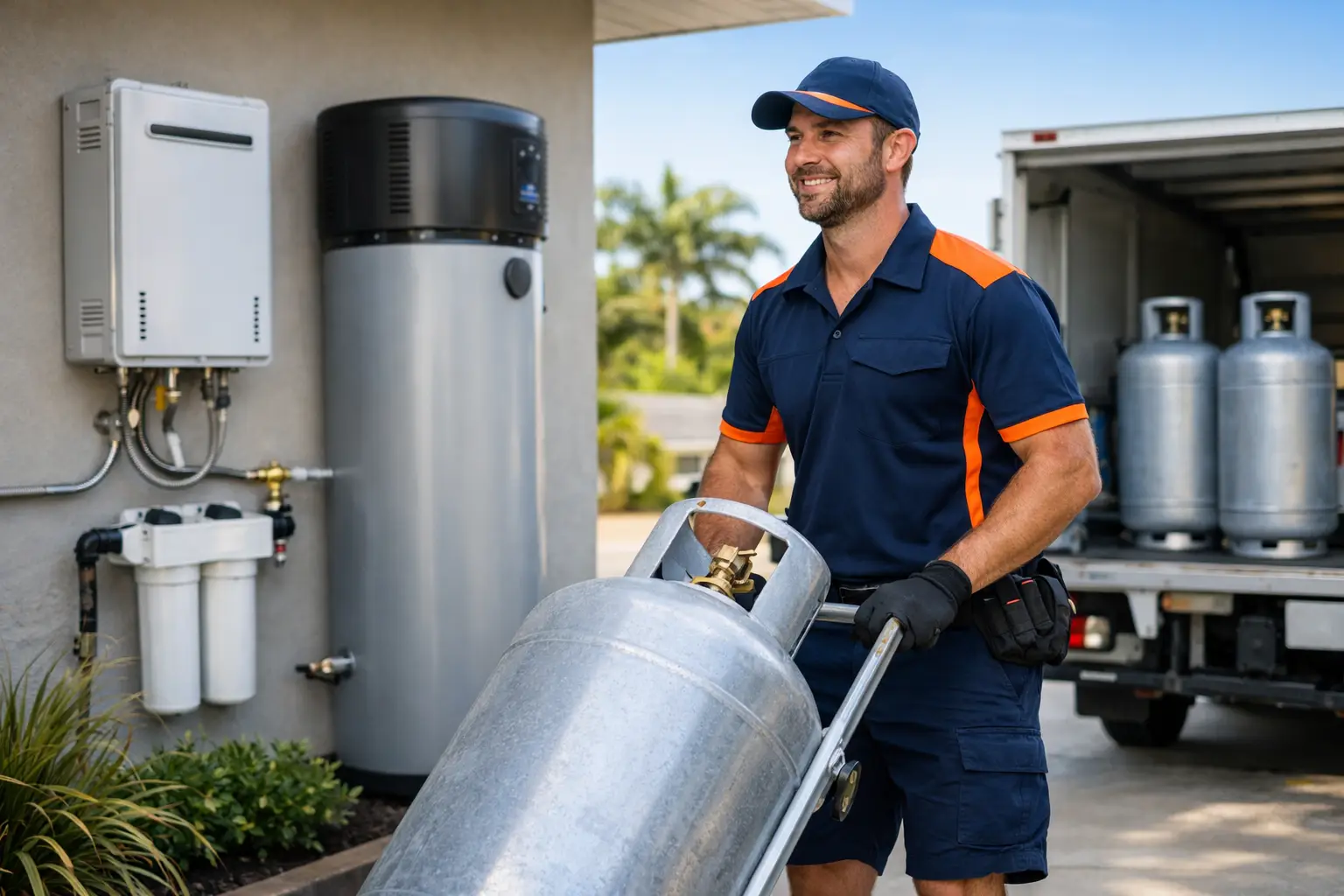
Home gas delivery is straightforward. You choose the bottle size and delivery day, place your order, and a trained gas delivery professional brings a full LPG bottle to your property and exchanges it for the empty one. The empty bottle is then removed from site.
The best delivery services make the process easy to manage online, with delivery dates that work around your household. This matters for busy families, shift workers and property owners who cannot spend a weekday waiting around. Weekend delivery can also make a real difference when the bottle runs out at the least convenient time.
Not every home has the same gas use, though. A household using LPG only for a cooktop will use far less than one running continuous-flow hot water, cooking and a gas fire. That is why it pays to understand your setup before ordering rather than simply guessing based on the size of the last bottle.
Choose the right LPG bottle setup
Most household LPG systems use either a single bottle or two bottles connected through a changeover valve. A single-bottle setup can suit light use, but it leaves little room for error. Once the bottle is empty, the appliance stops until a replacement arrives.
A twin-bottle setup is usually the more practical choice for homes relying on gas hot water or regular cooking. When one bottle empties, the changeover system can switch supply to the second bottle. You still need to order a replacement promptly, but you are not suddenly without hot water or a working cooktop.
Bottle size also depends on your usage and available space. Larger bottles generally mean fewer deliveries, while smaller bottles can be suitable for lower-demand homes or locations with limited room. Your gas fitter can help confirm what is appropriate for your appliances, regulator and installation.
A safe installation matters just as much as supply. Bottles must be upright, accessible and positioned with proper clearances from doors, windows, drains and ignition sources. Do not move, alter or reconnect gas bottles yourself if you are unsure. A licensed gas fitter should inspect any concern with the connection, hose, regulator or gas line.
Signs you should order gas before it runs out
The simplest way to avoid an empty bottle is to build ordering into your household routine. If you have two bottles, check the indicator on the changeover valve every few weeks. When it shows that the first bottle is empty and the system is drawing from the reserve bottle, arrange a refill straight away.
For a single-bottle system, keep an eye on your usual usage pattern. If the bottle typically lasts three months, do not wait until month three to think about it. Ordering ahead gives you more delivery-day choice and reduces the chance of an urgent call-out.
There are also practical warning signs. Hot water that cuts out, weaker gas flame performance or a cooktop that will not ignite can indicate an empty bottle, but they can also point to an appliance or connection problem. Do not assume every issue is just low gas. If a bottle is not empty, or you can smell gas, turn off the gas supply if safe to do so, avoid flames and electrical switches, move away from the area and call for qualified help.
What to look for in a home gas delivery service
Price matters, but it should not be the only thing you compare. A cheap advertised refill is less useful if there are unexpected charges, no suitable delivery times or no one available when you need help.
Look for clear pricing and ask what you are paying for. Some providers charge ongoing bottle rental fees on top of the gas itself. Others keep it simple, with the price focused on the gas you receive. Knowing this upfront makes it easier to budget and compare services fairly.
Reliability is equally important. A delivery provider should offer practical booking options, including the ability to select a day that suits you, and communicate clearly about when your bottle will arrive. For urgent household problems, 24/7 phone access provides reassurance that you can reach a real person rather than wait until the next business day.
It is also worth asking who is delivering the bottle. Gas fitters who understand residential gas systems can do more than complete an exchange. If they spot an issue at the bottle connection or regulator, they can assess it properly and help prevent unnecessary downtime. That is particularly useful when your gas supply supports hot water or other essential appliances.
Prepare your property for delivery day
A smooth delivery starts with a clear, safe path to the gas bottles. Make sure gates are unlocked if access has been arranged, pets are secured and clutter is moved away from the bottle area. The delivery professional needs room to handle heavy cylinders safely and check the connection.
Keep the bottle location visible and avoid storing pots, garden tools or rubbish bins around it. LPG bottles should not be enclosed in a tight cupboard or stored indoors. Good ventilation and clear access are basic safety requirements, not just conveniences for delivery day.
If you are not going to be home, follow the provider’s instructions when ordering. Many deliveries can be completed without you present when the bottles are safely accessible and payment has been organised. However, if there is a gate code, difficult access or a known issue with the system, let the provider know before the delivery is due.
When delivery should include a gas fitter
A bottle exchange is one job. Installing a cooktop, connecting a gas fire, replacing a regulator or investigating a suspected leak is another. These jobs should be completed by a licensed gas fitter, not treated as a DIY task.
Calling one provider for gas supply and gas work can save time when a problem is found. Instead of being left with a full bottle but no safe way to reconnect it, you can have the issue assessed and repaired by someone qualified to do the work.
This is especially useful when you are replacing or upgrading household equipment. A new gas cooktop, hot water system or gas fire may require changes to the existing installation, gas line sizing or ventilation arrangements. The right answer depends on the appliance and the home, so a proper assessment is safer than relying on assumptions.
For homeowners across the Gold Coast, No Hassle Homes combines LPG delivery with licensed gas fitting and support for connected home essentials. That means one local team can help when the job is bigger than a bottle swap.
Make gas ordering part of home maintenance
Treat your gas supply like any other essential household service. Put a reminder in your mobile calendar to check the changeover indicator, especially before school holidays, visitors staying over or cooler weather when hot water and heating demand can rise.
Keep your delivery account details current and choose a payment option that suits your household. Online ordering is handy when you want to book outside business hours, while phone support is valuable when you need to explain a problem or arrange urgent help.
Most importantly, do not wait for an empty bottle to become a household emergency. A quick check today can keep hot water flowing, dinner on the table and your next gas delivery simple.