


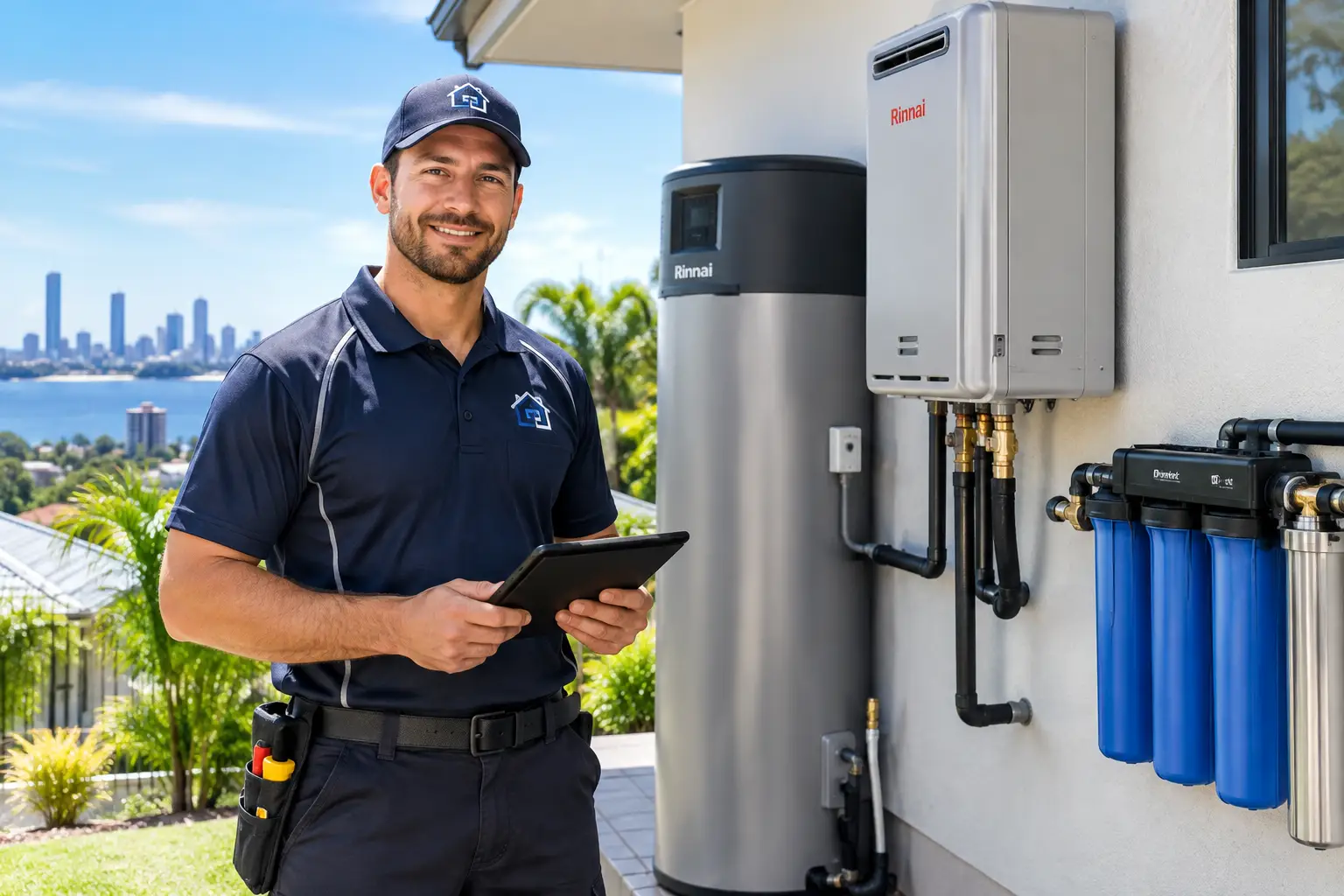
A cold shower at 6am is not a minor inconvenience when the whole household is trying to get ready. Whether the water has gone completely cold, is running out too quickly, or is leaking around the unit, hot water problems need a clear answer – not guesswork, long wait times or surprise costs.
For many Gold Coast and northern NSW homes, the right fix comes down to three things: the type of system you have, its age, and what has actually failed. Sometimes a straightforward repair is the sensible option. Other times, putting money into an ageing unit only delays the replacement you will soon need anyway.
What Your Hot Water System Is Telling You
Most faults give some warning before the system stops working altogether. Paying attention early can help you avoid a complete breakdown, water damage, or the stress of arranging urgent work when you need hot water most.
Water that is warm rather than properly hot can point to a thermostat issue, a worn heating element in an electric system, or a burner and ignition problem in a gas unit. If the temperature changes from one shower to the next, the issue may also involve the tempering valve. This safety valve mixes hot and cold water to deliver water at a safer temperature to your taps.
Running out of hot water faster than usual is another common complaint. A growing family, more frequent showers, visitors staying over, or a new rainfall shower head can all increase demand. But if your household routine has not changed, the system may no longer be heating or storing water efficiently.
Leaks deserve prompt attention. A small drip from a valve may be repairable, while water escaping from the tank itself is often a sign that the cylinder has corroded internally. Once the tank has failed, replacement is generally the practical and safe choice.
Strange noises can also be worth checking. Rumbling, popping or banging from a storage tank can be caused by sediment build-up. This is especially relevant in areas where water quality and mineral content affect the inside of the tank over time. The system may still work, but it can become less efficient and place extra strain on components.
Repair or Replace Your Hot Water System?
There is no one answer for every household. A quality repair can give a relatively new system many more years of service. Replacing a system that has reached the end of its useful life, however, can prevent repeat call-outs and give you a more reliable supply.
A repair is often worthwhile when the unit is under around eight years old, the tank is in good condition, and the problem is limited to a replaceable part. Thermostats, elements, valves, igniters and some control components can often be repaired without replacing the whole system. The best approach is to have the fault assessed by a licensed professional who can explain what has failed and what the repair will achieve.
Replacement becomes more likely when a storage tank is leaking or rusting, when major parts have failed more than once, or when the system is old enough that replacement parts are becoming less economical. If repair costs are a significant portion of the price of a new system, it is worth looking at the bigger picture. A new unit may offer better efficiency, a suitable warranty and the right capacity for how your household lives now.
It is also sensible to replace a system that has always struggled to keep up. Repairing it may restore its original performance, but that will not solve an undersized tank or an instant unit that cannot meet the demand from multiple bathrooms at once.
The Cost of Waiting Too Long
Waiting for a system to fail completely can leave you with fewer choices. You may need the first available replacement rather than the model and setup that suits your home best. A leaking tank can also damage nearby flooring, walls or cupboards, particularly where the system is installed inside or in a tight utility area.
Planning ahead gives you time to compare suitable options and arrange installation before the old unit becomes an emergency. That does not mean replacing a system simply because it is getting older. It means knowing its condition and acting when the numbers and reliability no longer stack up.
Choosing the Right Type of Hot Water
The best system depends on your household size, bathroom use, available space and energy setup. What suits a couple in a unit may not suit a family with teenagers, two bathrooms and a busy morning routine.
Gas Storage Systems
Gas storage systems keep a set amount of heated water ready in a tank. They are familiar, reliable and a practical option for many homes already connected to LPG gas. Their main consideration is capacity. If the tank is too small, the last person through the shower queue may notice.
For homes using LPG gas bottles, it is worth considering the full setup, not just the heater. A correctly installed system and dependable gas delivery help prevent disruption. If a gas fitter finds an issue while delivering gas, having someone qualified to assess or repair it on the spot can save time and avoid unnecessary downtime.
Continuous Flow Gas Systems
Continuous flow systems heat water as you need it rather than storing it in a tank. They are compact and can be an excellent choice where outdoor wall space is available and the household wants a steady supply without waiting for a tank to reheat.
The trade-off is that the system needs to be sized correctly. A larger household or home with several bathrooms may require a higher-capacity unit to maintain good flow when more than one hot tap is running. Installation location, pipework and gas supply all need professional assessment.
Electric Storage Systems
Electric storage units are common and can be a practical replacement where the home is already set up for electric hot water. They are generally simple in design, but they still rely on the right tank size and tariff arrangement. If the system heats during off-peak periods, a household with high evening use may need enough stored water to last until the next heating cycle.
Heat Pump Systems
Heat pump units use electricity to draw warmth from the surrounding air and heat the water efficiently. They can reduce running costs in the right situation, particularly for households looking to lower electricity use. They do need suitable outdoor space and can make some operational noise, so placement matters.
The upfront price may be higher than a conventional electric storage unit. For some homeowners, the longer-term efficiency is worth it. For others, a gas or standard electric option may better suit their budget, property layout and existing services.
Installation Is About More Than the Unit
A good hot water installation starts with checking the whole setup. The replacement unit needs to suit the household, fit the available space and meet current safety requirements. That can include drainage, safe discharge from pressure relief valves, electrical connections, gas supply, ventilation and correct tempering valve installation.
For gas systems, licensed installation is essential. Gas appliances must be connected, tested and commissioned correctly to operate safely. Trying to save money with an unqualified installer can create risks that are far more expensive than a proper job from the start.
It is also a good time to look at related work. If you are changing from a tank to continuous flow, relocating a system, renovating a bathroom or upgrading your cooktop, coordinating the gas, plumbing and electrical work can make the process far easier. One organised booking is better than chasing several trades and trying to make their schedules line up.
Simple Ways to Help Your System Last
You cannot prevent every fault, but a few practical habits can help protect your investment. Keep the area around the unit clear so it can be inspected and serviced safely. Check occasionally for damp patches, drips or rust. If you have a storage system, ask about periodic servicing and anode inspection, as the sacrificial anode helps protect the tank from internal corrosion.
Do not ignore a pressure relief valve that is constantly running or a sudden change in water temperature. These are usually manageable issues when addressed early. Leave adjustments, repairs and safety checks to licensed professionals, particularly where gas, electrical components or pressurised hot water are involved.
If your system is nearing the end of its life or has stopped keeping up, a clear fixed quote and the right advice can take the hassle out of the decision. The aim is simple: reliable hot water that works when your household needs it, without an avoidable surprise on a busy morning.