


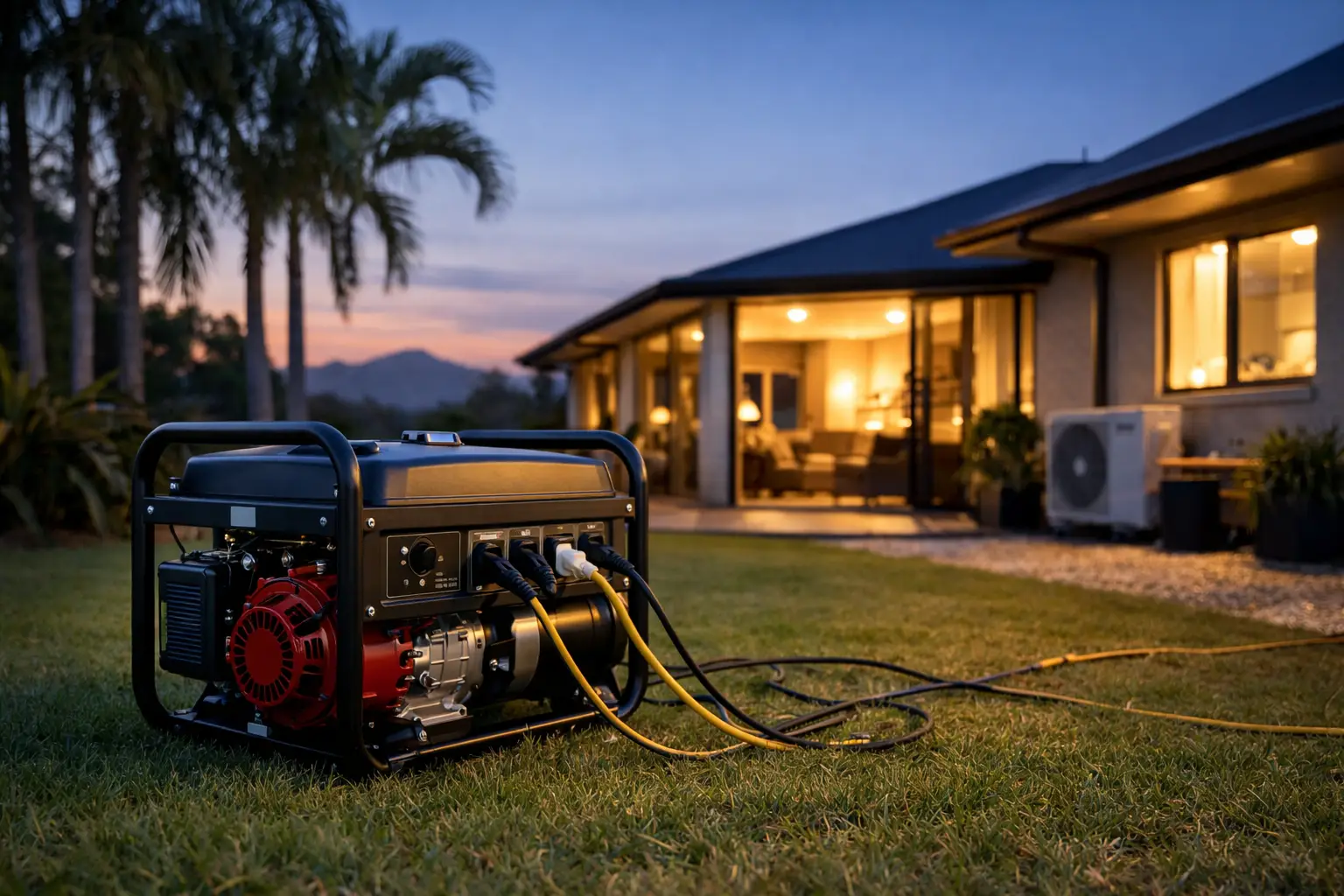
A blackout always seems to hit at the worst time – dinner half cooked, fridge full, mobiles running low, and no clear idea how long the power will be out. If you are looking for the best generator for home backup power, the right choice usually comes down to one simple question: what do you actually need to keep running when the grid goes down?
That matters more than brand names or flashy specs. For some homes, backup power means keeping the lights, fridge and internet on for a few hours. For others, it means supporting medical equipment, a bore pump, a home office, or an entire household through storm season. The best setup is the one that suits your home, your budget and the way you live – without creating more hassle when you need help most.
What makes the best generator for home backup power?
The short answer is reliability, safe installation and enough output to cover your essential loads. The longer answer is that there is no single best generator for every home.
A small portable unit may be enough if you only want to power a fridge, a few lights and charge devices. A larger standby system makes more sense if you want your home to keep functioning with minimal interruption. That includes things like your hot water controls, kitchen appliances, garage door, security system or air conditioning in extreme weather.
Homeowners often start by thinking about wattage, but fuel type, noise, maintenance and transfer switching matter just as much. A generator can look good on paper and still be the wrong fit if it is too noisy for your block, too small for your startup loads, or awkward to refuel during an extended outage.
Start with what you cannot afford to lose
The easiest way to choose is to separate essentials from nice-to-haves. Essentials are the systems that protect comfort, food, safety and daily routine. In many homes, that means the fridge and freezer, a few lighting circuits, internet, device charging, and perhaps a fan or air conditioner in one area.
If someone works from home, backup power for a modem, computer and monitor can be just as important. If you have electric gates, a medical device, a sump or pressure pump, or refrigerated medication, those need to be part of the plan from the start.
This is where a lot of people overspend or undersize. They either buy a generator that is far bigger than they need, or they pick a cheaper unit that trips as soon as heavier appliances kick in. A proper assessment of your home’s critical circuits gives you a much clearer answer.
Portable or standby?
For many households, this is the real decision.
Portable generators
Portable generators are usually the lower-cost entry point. They can be a practical option for short outages and basic essentials, especially if you are comfortable setting them up when needed. They suit homes where backup power is occasional rather than frequent.
The trade-off is convenience. You need to move them into position, start them, refuel them and connect them correctly. They also need to be used safely outdoors in a well-ventilated area, never in a garage or enclosed space. If the weather is rough or the outage happens late at night, that manual setup can become a pain quickly.
Standby generators
Standby generators are fixed, permanently installed systems designed to start automatically when mains power fails. For families, retirees, busy professionals and anyone who wants a set-and-forget solution, this is often the better long-term choice.
They cost more upfront, but they make outages far less disruptive. If you live in an area where storms can knock out power more than once a year, or you simply do not want to wheel out equipment and extension leads in the dark, a standby system is worth serious consideration.
Fuel type matters more than most people think
Not all generators fit all homes. Fuel choice affects running cost, storage, maintenance and convenience.
Petrol generators are a strong option for home backup because they can offer clean, dependable performance and work well as part of a professionally installed household energy setup. If your home already uses petrol for appliances such as hot water, cooktops or heating, it often makes sense to look at how a backup generator could fit into the same broader service picture.
Diesel units are common in larger applications and can be very capable, but they may be noisier and less appealing for suburban homeowners who want a quieter, cleaner residential setup. Smaller inverter-style generators can be efficient and quieter again, but they are often better suited to lighter loads than whole-home backup.
The best choice depends on how long you expect outages to last, how much power you need, and how hands-off you want the system to be. For many households, convenience during an outage is not a bonus – it is the whole point.
Sizing a home generator properly
If you get one thing right, make it sizing.
A generator that is too small will struggle with startup surges from appliances like fridges, pumps and air conditioners. A generator that is too large can push up purchase and installation costs without delivering much real benefit. The sweet spot is enough capacity for essential circuits plus some breathing room.
As a rough guide, a basic backup setup may only need to cover lighting, refrigeration, internet and charging. Once you add kitchen appliances, air conditioning, electric hot water components or broader household circuits, required output rises quickly.
This is why proper advice matters. A licensed installer can look at your switchboard, identify critical loads and recommend a system that fits your home rather than relying on generic online calculators. It is a safer and more cost-effective way to buy.
Installation is not the place to cut corners
The best generator for home backup power is only as good as the way it is installed.
Safe backup power needs proper electrical integration, correct transfer switching and compliance with local requirements. You cannot simply plug a generator into the house and hope for the best. Done incorrectly, it can damage appliances, create fire risk, or endanger people working on the network.
A professional installation also makes the system easier to use. Instead of juggling extension leads across the floor, you can have selected circuits backed up cleanly and safely. For fixed systems, that usually means smoother changeover and much less stress when an outage happens.
For homeowners across the Gold Coast, Southern Brisbane and Tweed Heads, dealing with one company that understands both supply and installation can save a lot of time. It also means fewer moving parts when you want the job done quickly and properly.
Noise, maintenance and day-to-day practicality
It is easy to focus on emergency use and forget what living with a generator is actually like.
Noise can be a big factor in suburban areas. Some larger units are far more noticeable than homeowners expect, especially at night. If you have close neighbours, a quieter setup may be worth paying more for.
Maintenance is another point people tend to ignore until later. Even backup systems that run infrequently still need servicing and testing. Batteries, oil, filters and general condition all need to be checked so the unit works when you need it. The best generator is not the one with the longest feature list. It is the one that starts reliably after months of sitting idle.
That is why many homeowners prefer a professionally supported system rather than a bargain unit from a box store. The purchase price might be lower, but if parts, servicing or installation support are hard to get, the savings can disappear quickly.
So what is the best option for most homes?
For most households, the best choice is not the biggest generator. It is a correctly sized, professionally installed unit that can safely power your essential circuits with minimal fuss.
If you only need occasional backup for a few appliances, a portable generator may do the job. If you want automatic protection, less manual work and a more dependable experience during outages, a standby generator is usually the better investment.
The real win is choosing a system that matches your home instead of guessing. A family home with school-age kids, two people working remotely and a full fridge has different needs from a smaller household that only wants a few basics covered. There is no shame in wanting convenience here. When the power goes out, most people do not want a project. They want the house to keep working.
If you are weighing up your options, start with your essentials, your outage risk and how much hands-on effort you are willing to deal with. From there, the right generator becomes much easier to spot – and a lot easier to live with when the lights go out.