


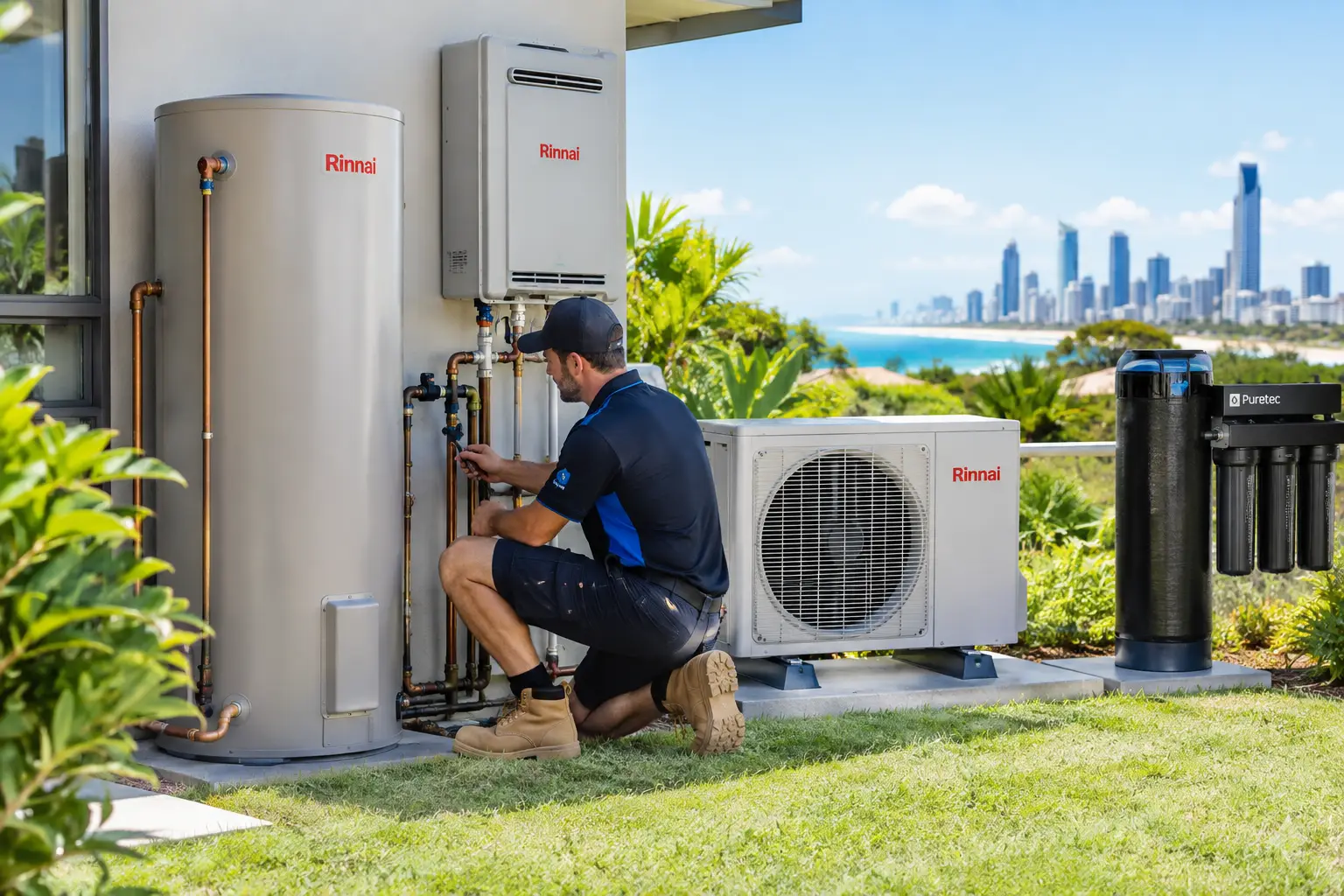
A cold shower usually makes the decision for you. But a rushed replacement can still leave you with a system that costs too much to run, struggles at busy times, or does not suit your home. A well-planned Gold Coast hot water installation should solve the immediate problem while making everyday life easier for years to come.
The right answer depends on more than the size of the old tank. Your household’s water use, available energy supply, roof space, budget, location of the unit and how quickly you need hot water back all matter. Getting those details right upfront is how you avoid the usual hassle.
When hot water replacement cannot wait
Some faults are obvious: a tank is leaking, the water is rusty, there is no hot water at all, or a system is making unfamiliar noises. In these cases, repair may be possible, but replacement is often the more sensible option when the unit is older and the fault is major.
Other warning signs are easier to overlook. Hot water running out earlier than it used to, inconsistent temperatures, water pooling around the base of a storage tank and steadily rising energy bills can all point to a system nearing the end of its working life. Acting before a complete failure gives you more choice over the model, installation timing and budget.
If you use LPG gas for hot water, a qualified gas fitter can also check the bottle connections, regulator, gas line and appliance setup as part of the job. That matters because a replacement system needs to be correctly matched to the gas supply, not simply connected to what was already there.
Choosing a hot water system for your home
There is no single best hot water system for every Gold Coast household. The best fit is the one that reliably covers your demand without paying for more capacity than you need.
Continuous-flow gas hot water
A continuous-flow gas system heats water as you use it rather than storing a full tank. It is a practical choice for households that want a compact unit and a reliable supply for back-to-back showers. It can be especially useful where outdoor space is limited or where an ageing tank needs to be removed.
The trade-off is that flow rate matters. A smaller unit may be fine for one shower and the kitchen tap, but a larger family may need a model capable of handling multiple outlets at once. Your installer should look at how many bathrooms are in use at peak times, not just how many people live in the home.
Storage tank systems
Electric and gas storage systems keep a set volume of heated water ready for use. They can suit homes with predictable routines and adequate space for a tank. Their upfront cost may be lower in some situations, particularly when replacing a similar existing system.
Capacity is the key decision. A tank that is too small can leave the last person in the morning queue with lukewarm water. A tank that is oversized can mean unnecessary heating costs. Household size is a starting point, but bathing habits, large spa baths and regular guests also change the calculation.
Heat pump and solar options
Heat pump systems use electricity to draw heat from the air, while solar hot water uses roof-mounted collectors with a booster for cloudy periods or high demand. Both can reduce running costs in the right home, and the Gold Coast climate can make them attractive options.
They do need a closer look before installation. Heat pumps need suitable outdoor space and can create some operating noise. Solar systems require appropriate roof space, orientation and a clear installation path. The upfront investment is usually higher, so it is worth weighing the likely long-term savings against your plans for the property.
What affects the cost of Gold Coast hot water installation?
A clear quote should account for the whole job, not just the price of the unit. Two homes can need the same model but have very different installation requirements.
The biggest factors are usually the type and size of system, whether the new unit can go in the same location, the condition of existing water and gas connections, electrical work required, access to the site and removal of the old system. Moving a unit across the property, upgrading gas pipework or changing from a storage tank to continuous flow can involve more labour and materials.
There can also be compliance requirements. Hot water systems need correctly installed valves, safe drainage and suitable tempering to help prevent scalding at taps. Gas, plumbing and electrical work must be carried out by appropriately licensed trades. These details are not optional extras – they protect your household and help ensure the system operates as intended.
A fixed quote is particularly helpful when your system has failed unexpectedly. Ask what is included, whether the old unit will be removed, and what happens if an issue is found once work begins. Honest advice is better than a cheap initial figure followed by unwelcome surprises.
Preparing your home for installation day
Most of the work is straightforward when the installer can access the existing unit and connection points. Before the appointment, clear outdoor furniture, pot plants and stored items from around the system. If the unit is inside, make sure there is a clear path through the home and that pets are safely out of the way.
It also helps to think about the practical questions before the installer arrives. Do you regularly run two showers at once? Is anyone in the household sensitive to cooler water? Are you planning a bathroom renovation soon? Are you replacing an electric system because of running costs, or because it cannot keep up? Clear answers help match the system to how you actually live.
Expect the water supply to be isolated for part of the installation. The old system will be disconnected, the new unit installed and connected, then tested for safe operation. A professional installer should explain the controls, show you how to adjust the temperature where relevant, and leave the area tidy.
Avoiding common replacement mistakes
The most common mistake is choosing purely on purchase price. A low-cost system can become expensive if it is poorly sized, inefficient for your household or difficult to service. It is usually better to compare the full picture: upfront price, likely running costs, expected demand and the condition of your existing connections.
Another mistake is replacing like for like without asking whether your needs have changed. A couple may now host grandchildren on weekends. A growing family may have added a second bathroom. Or a household may have moved to LPG gas and want the convenience of continuous-flow hot water. The old system was chosen for a different time, so it is worth reassessing rather than automatically repeating the same setup.
Finally, do not leave a leaking tank to chance. Even a slow leak can damage nearby surfaces, waste water and turn into a full failure at the worst possible time. Early advice gives you room to choose instead of settling for whatever is available that day.
One local team for gas and hot water
For homes across the Gold Coast, arranging a hot water replacement should not mean coordinating separate gas, plumbing and electrical providers. No Hassle Homes brings licensed installation and household gas expertise together, with straightforward advice and clear pricing before work gets underway.
Whether you need a fast replacement or are planning ahead for a more efficient system, the useful first step is simple: check what your household uses at its busiest time, then choose an installer who will explain the options in plain language. A hot water system should quietly do its job every day – and when it is fitted properly, that is exactly what it does.