


A hot shower that turns cold halfway through is a fast way to find out your hot water system is no longer keeping up. When replacement time comes, the tank vs tankless water heater decision usually comes down to one practical question: do you want stored hot water ready to use, or hot water heated as you need it?
Both systems can be a good fit for Australian homes. The right choice depends on how many people live under your roof, when they use hot water, your available space, energy source and budget for installation. A bigger system is not automatically better, and a cheaper unit can cost more over its working life if it is not matched to your household.
Tank vs tankless water heater: the key difference
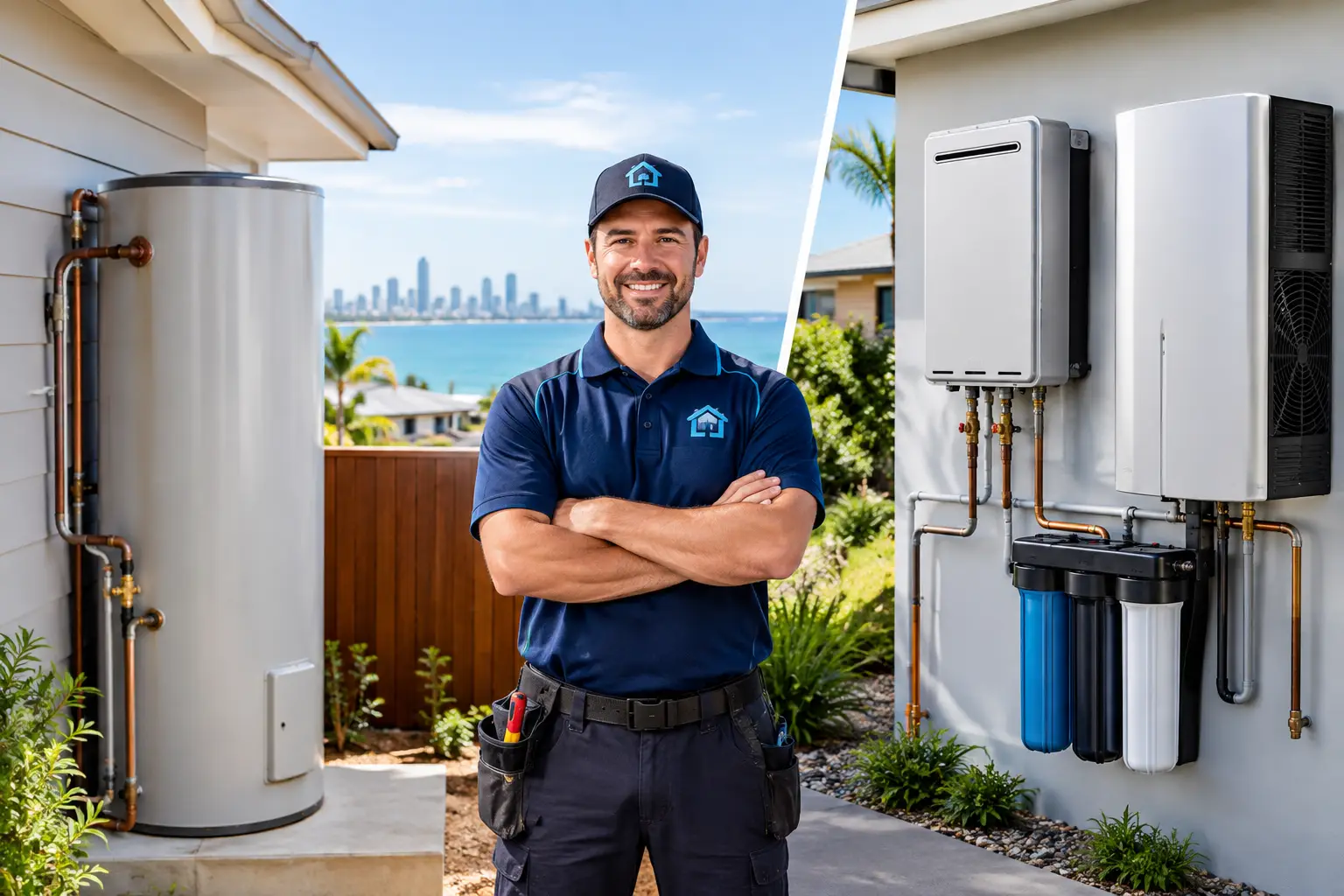
A storage, or tank, water heater heats water and holds it in an insulated cylinder until it is needed. Once the stored supply has been used, the system needs time to heat another full tank. These units may run on gas, electricity, solar or heat pump technology.
A tankless water heater, often called a continuous-flow system, heats water only when you turn on a hot tap. Cold water passes through the unit and is heated on demand. With the right-sized model and adequate gas supply, it can continue delivering hot water for as long as water is flowing.
That difference changes how each system feels in daily life. A storage system has a set amount of hot water available at any time. A continuous-flow system has no tank to empty, but it does have a maximum flow rate. If too many outlets are running at once, water temperature or pressure can be affected.
When a storage hot water system makes sense
Storage systems remain a sensible choice for plenty of homes, particularly where the household’s hot water use follows a predictable pattern. They are familiar, straightforward and often have a lower upfront purchase and replacement cost, especially if you are replacing a similar existing system.
A properly sized storage tank can comfortably handle morning showers, dishes and washing for a family. Gas storage systems also recover more quickly than electric models, meaning they can reheat water between periods of use.
The trade-off is standby heat loss. Even with insulation, a tank uses energy to keep stored water hot when no one is using it. You also need room for the cylinder, either outside or in a suitable internal location, and eventually the tank itself will need replacement.
Storage may suit your home if you have available space, a relatively consistent routine, or want to keep initial installation costs under control. It can also be a practical option where your existing plumbing and energy connections are already set up for a tank.
Watch for sizing, not just tank capacity
Choosing a storage unit is not simply a matter of buying the largest tank that fits. An oversized unit can waste energy keeping unused water hot. An undersized one can leave the last person in the morning queue with a lukewarm shower.
A licensed installer can assess household size, bathroom numbers, shower habits and the system’s recovery rate. For example, a home with two adults who shower at different times has a very different demand profile from a household where four people get ready between 6.30 am and 8 am.
When a continuous-flow system is the better fit
Continuous-flow gas hot water systems are popular with households that value a compact unit and a long, reliable supply of hot water. Because there is no cylinder, they take up less room and are often wall-mounted outside. That can free up valuable space around the side of the house, in a garage or near a laundry.
For larger families, the biggest appeal is obvious: the system does not run out of stored hot water halfway through a busy morning. It heats water as it passes through the unit, so a sequence of showers is less likely to cause a problem.
These systems can also be efficient because they are not continuously maintaining a tank of hot water. Gas is used when there is a demand for hot water, rather than throughout the day and night to offset heat loss from storage.
However, continuous flow is not a one-size-fits-all answer. The unit must be sized for the number of hot water outlets likely to operate together. A smaller unit may work well for a one-bathroom home, but struggle if two showers, the kitchen tap and a washing machine are all drawing hot water at once.
Gas supply and water flow matter
A tankless unit’s performance depends on more than the appliance on the wall. It needs an adequate gas supply, suitable pipe sizing, correct water pressure and compliant installation. If you are moving from a storage system to continuous flow, changes to gas pipework or plumbing may be needed.
This is why an upfront quote should account for the complete job, not just the price of the hot water unit. It is better to know whether upgrades are required before work begins than be surprised by extra costs after the old system has been removed.
Upfront cost versus long-term running cost
The tank vs tankless water heater comparison often starts with price, but it should not end there. A storage system can cost less to buy and install, particularly where it is a like-for-like replacement. Continuous-flow systems can cost more upfront, especially if gas lines, water pipes or electrical components need upgrading.
Over time, a continuous-flow gas unit may reduce energy waste because it does not store and maintain a full tank of hot water. The actual saving depends on your household’s usage. A family with frequent showers and regular hot water demand will have different running costs from a couple who are often away on weekends.
System lifespan also matters. Storage tanks can eventually corrode, particularly as their internal sacrificial anode wears down. Continuous-flow systems do not have a large tank to corrode, though they still need professional servicing and can be affected by scale, water quality and worn components.
The best value is usually the system that suits how your household actually uses hot water, rather than the system with the lowest sticker price.
Questions to ask before choosing
Before booking an installation, think about your busiest hot water period. Consider how many bathrooms you have, how many people are likely to shower back-to-back, and whether appliances use hot water while showers are running.
Also consider where the unit will go. A storage tank needs a stable, accessible location with sufficient room. A continuous-flow unit has its own clearance and ventilation requirements. The placement needs to meet manufacturer instructions and Australian installation requirements, not just look convenient.
If your home uses LPG gas, it is worth confirming that the proposed system is compatible and that your bottle setup and gas line can support the appliance. A qualified gas fitter can assess this safely and help prevent poor performance from an undersized supply line.
Finally, ask what is included in the quote. A clear quote should cover the unit, labour, valves and fittings required for the job, removal of the old system where applicable, and any identified upgrades. That clarity makes it much easier to compare options fairly.
Installation is not a DIY job
Hot water systems involve water, energy and, in many homes, gas. Incorrect installation can create safety risks, leaks, unreliable temperatures and expensive repairs down the track. It can also affect manufacturer warranty requirements.
A licensed professional will assess the site, install the system to current requirements, test its operation and make sure safety components are in place. This is particularly important when changing system type, relocating a unit or installing a new gas appliance.
For Gold Coast, Southern Brisbane and Tweed Heads homeowners, local conditions can matter too. Coastal air, site access, outdoor placement and the age of existing plumbing can all affect the best installation approach. A proper inspection beats guessing from a product brochure.
Choose for your household, not the sales pitch
Choose storage if you want a familiar, cost-effective replacement and have enough space for a tank. Choose continuous flow if you want a compact system and dependable hot water through extended use, provided it is correctly sized and your gas supply can support it.
If you are unsure, start with your real routine: who showers when, which taps run together, and whether your current system fails because it is old or because it was never right for the household. A straightforward assessment from a licensed installer can turn a frustrating hot water problem into a choice you will be happy with every morning.