


That strong pool-like smell when you fill a glass, boil the kettle or run the shower is frustrating – especially when your water is otherwise clear and safe. Water filters for chlorine can make a noticeable difference to taste and odour, but only when the filter type suits the way your household uses water.
Chlorine is commonly used to disinfect town water supplies. It helps keep water safe as it travels through pipes, so its presence does not automatically mean there is a problem with your water. Still, many Gold Coast, Southern Brisbane and Tweed Heads households prefer the cleaner taste, gentler smell and improved drinking experience a properly selected filter can provide.
Why chlorine can be noticeable at home
Water authorities carefully manage chlorine levels, but what you notice at the tap can vary. Warm weather, local supply conditions, pipework, water sitting in household lines and personal sensitivity to taste or smell can all play a part. One person may barely notice it, while another finds it unpleasant in tea, coffee or a glass of water.
Chlorine also reacts with organic material in water. That can create the familiar chemical taste some people describe as sharp or medicinal. A filter designed to reduce chlorine usually relies on activated carbon, a material with a large surface area that attracts and holds chlorine-related compounds as water passes through.
The practical point is simple: if the issue is mainly taste and odour, you do not necessarily need a complicated treatment system. You need the right filter, installed in the right place, with cartridges changed when they are due.
Water filters for chlorine: the options that make sense
The best choice depends on whether you want better-tasting drinking water, filtered water at every tap, or an improvement in the shower as well. It also depends on how much room you have, your budget and whether you own the property or are renting.
Bench-top and jug filters
A water filter jug is the lowest-commitment option. It can reduce chlorine taste for drinking water, costs less upfront and suits renters or households that only want a small volume of filtered water each day.
The trade-off is convenience. Jugs need regular refilling, take up fridge space and are easy to overlook when cartridges are due for replacement. They are not a solution for cooking water, ice makers or shower water unless you fill the jug for every use.
Bench-top units provide more capacity and avoid constant jug refills, but they still only serve one outlet. They can be a sensible starting point when you want to see whether filtered water makes a difference before investing in a plumbed system.
Under-sink drinking water filters
For many homes, an under-sink carbon filter is the practical sweet spot. It is installed beneath the kitchen sink and supplies filtered water through either a separate tap or, in some setups, a compatible mixer tap. You get filtered water for drinking, cooking, filling bottles and making tea or coffee without leaving a unit on the bench.
A quality carbon block cartridge is often a strong choice for chlorine reduction because it gives water more contact time with the carbon than a basic loose-media cartridge. Cartridge capacity matters too. A filter that works well for a couple may be undersized for a busy family filling bottles, cooking most nights and using a water-connected fridge.
Under-sink filters need professional installation if plumbing changes are involved. A neat installation should include accessible isolation, secure fittings and enough space to change cartridges without turning a simple maintenance job into a cupboard-emptying exercise.
Whole-house filtration
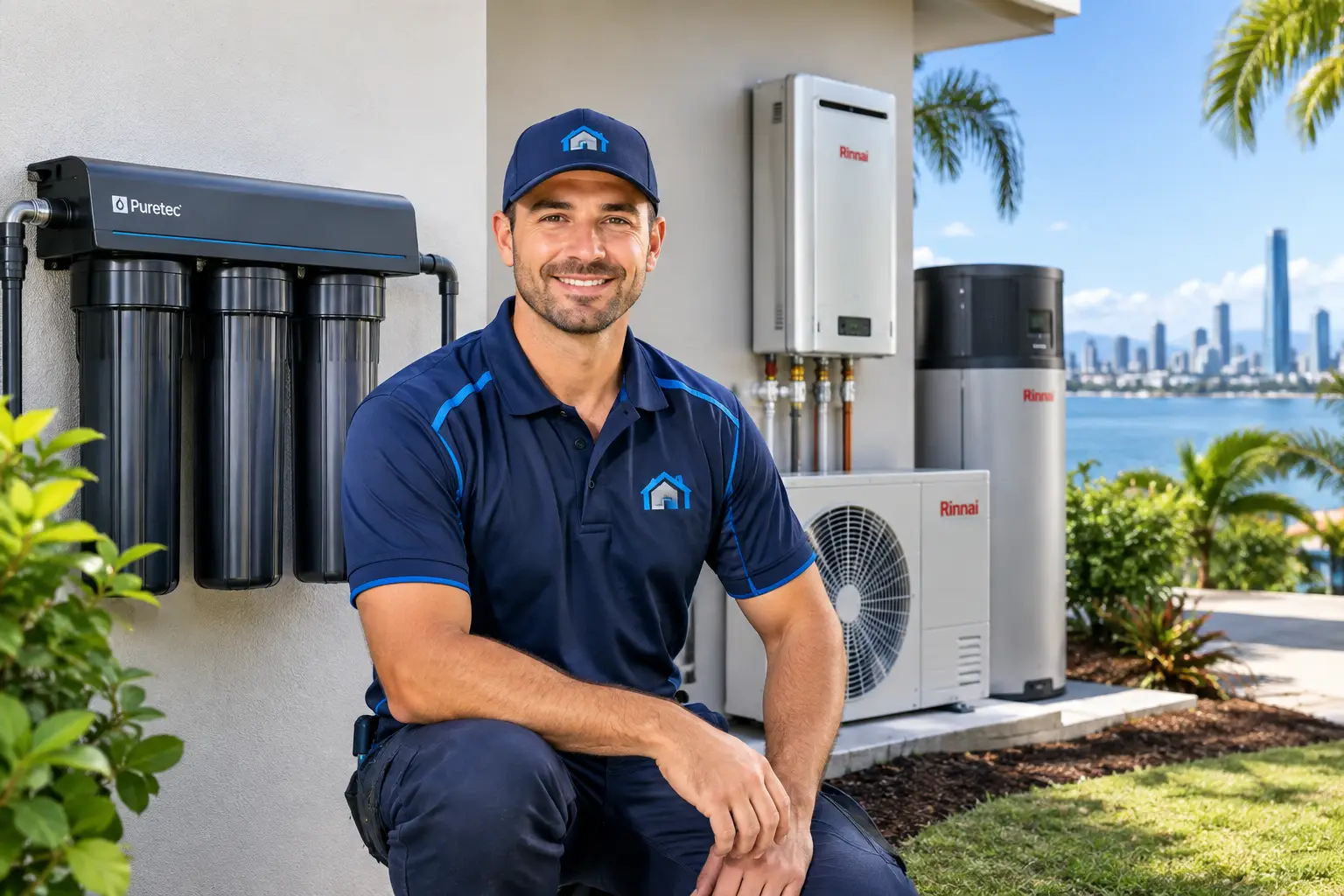
A whole-house filter is fitted where water enters the property, so it can reduce chlorine at kitchen taps, bathroom taps, laundry outlets and outdoor connections. This option suits homeowners who dislike chlorine smell throughout the house or want filtered water available beyond the kitchen.
It is a bigger investment and requires more planning. Flow rate is especially important. A small filter housing may struggle when someone is showering while the washing machine runs and another tap is on. A correctly sized whole-house system should support normal household demand without a frustrating drop in water pressure.
Whole-house filtration also means larger cartridges, more involved servicing and a suitable installation location. The filter needs protection from weather where required and clear access for replacement. This is not a job to choose on price alone – system sizing and tidy plumbing make a real difference over time.
Shower filters
Some people specifically want to reduce chlorine smell in the shower, particularly where it is noticeable in warm water. Shower filters can be easy to fit and may improve the shower experience, but their performance varies widely depending on water temperature, flow rate and the filter media used.
They should be viewed as a targeted comfort upgrade rather than a replacement for a properly designed whole-house filter. If chlorine is an issue across multiple bathrooms and taps, whole-house treatment is usually the more consistent approach.
Chlorine and chloramine are not the same thing
Before choosing a system, check what disinfectant your water supplier uses. Some supplies use chlorine, while others may use chloramine, which is a more stable disinfectant made from chlorine and ammonia. Standard activated carbon can reduce free chlorine very effectively, but chloramine may require a longer contact time or specialised catalytic carbon to achieve good results.
This is where a quick conversation with an experienced installer can prevent an expensive mismatch. Do not assume every cartridge labelled “carbon” will perform the same way. Ask what the filter is designed to reduce, its rated flow rate, its expected cartridge life and whether those ratings suit your local water supply.
What a chlorine filter will not necessarily fix
A chlorine filter is not a cure-all for every water concern. If water is discoloured, has sediment, leaves unusual staining, has a sulphur-like smell, or has suddenly changed in taste or appearance, the cause may be something else. It could relate to pipework, a hot water system, a local supply change or a separate water-quality issue.
Likewise, ultraviolet systems are designed to disinfect water, not remove chlorine taste. Reverse osmosis systems can reduce a broad range of dissolved substances, but they are more complex, create wastewater and are often unnecessary if chlorine taste is the only concern. More filtration is not always better – it should match the problem you are trying to solve.
If you use rainwater, bore water or another non-town supply, treatment needs can be quite different again. A water test and a system designed for that source are far more useful than choosing a filter based on a generic claim on the box.
The part that matters most: maintenance
A filter only works properly while its cartridge is in good condition. Over time, carbon media becomes exhausted and can no longer reduce chlorine as effectively. Leaving a cartridge in place well beyond its service interval can also reduce flow and undermine the reason you installed the system in the first place.
Replacement timing depends on the cartridge, household water use and incoming water quality. Follow the manufacturer’s stated interval and change it sooner if flow drops noticeably or chlorine taste returns. Keep the installation date somewhere visible, such as inside the sink cupboard or in your phone reminders.
When comparing systems, look beyond the purchase price. Consider the ongoing cartridge cost, how easy replacements are to obtain, whether the housing is straightforward to service and whether you can get help if a fitting leaks or the system needs attention. The cheapest unit can become the costly option if replacement parts are difficult to source.
Choosing a filter without the guesswork
Start with where the problem is most noticeable. If it is only drinking water, an under-sink filter is usually a convenient long-term answer. If you notice chlorine at every tap and in the shower, investigate a properly sized whole-house system. For a rental or a smaller household, a jug or bench-top unit may be enough.
Then consider your water use, available space and maintenance preferences. A larger system with easily changed cartridges can be better value than a smaller unit needing frequent attention. If you are planning kitchen plumbing work, a new cooktop, hot water replacement or other home upgrades, it can also be a sensible time to organise filtration installation rather than booking separate visits.
A licensed, local installer can help match the system to your plumbing and household demand, explain the ongoing costs before work begins and leave you with a setup that is simple to maintain. The best filter is not the biggest or most expensive one – it is the one that makes your everyday water more enjoyable without adding another household hassle.